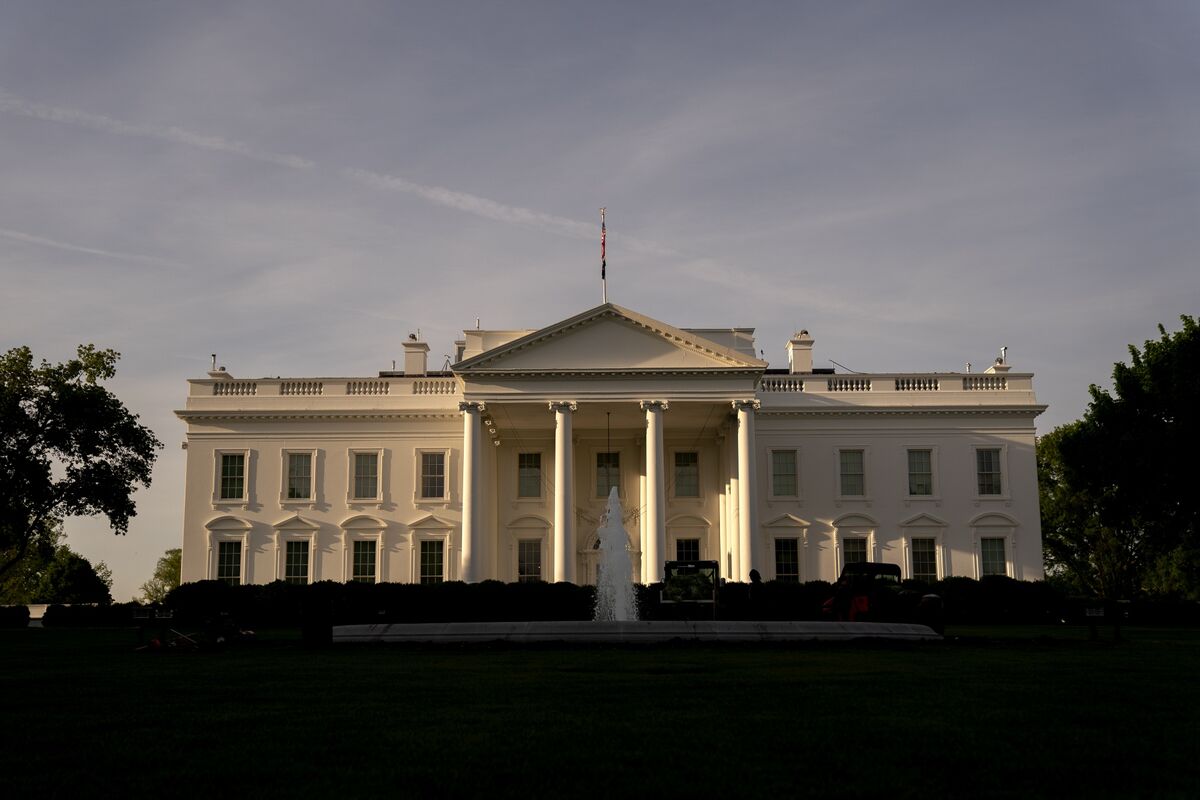
White House Deploys Anthropic Mythos AI Across Federal Agencies
The White House is moving forward with plans to provide major federal agencies access to Anthropic's powerful new artificial intelligence model, dubbed 'Mythos,' marking a significant expansion of AI integration across government operations. According to a memo reviewed by Bloomberg on April 16, 2026, the deployment comes despite mounting concerns that the advanced AI tool could significantly amplify cybersecurity risks across federal infrastructure.
This unprecedented move represents the largest government adoption of cutting-edge AI technology to date, positioning Anthropic's Mythos as a central tool in federal operations ranging from national security analysis to administrative efficiency. The decision underscores the Biden administration's commitment to maintaining America's competitive edge in artificial intelligence while navigating the complex security challenges that accompany such powerful technologies.
Anthropic Mythos: The AI Model Transforming Government Operations
Anthropic's Mythos represents a significant leap forward in AI capabilities, building upon the company's reputation for developing safety-focused artificial intelligence systems. The model, which has been under development since late 2025, reportedly demonstrates advanced reasoning capabilities that surpass previous generations of AI assistants, including Anthropic's own Claude series.
Sources familiar with the technology describe Mythos as possessing enhanced analytical capabilities particularly suited for complex governmental tasks such as policy analysis, threat assessment, and large-scale data processing. The AI model's architecture incorporates Anthropic's Constitutional AI approach, which aims to create more helpful, harmless, and honest AI systems through advanced training methodologies.
The timing of the government's adoption is particularly noteworthy, coming just months after Mythos completed its initial testing phases. Federal agencies identified for initial deployment include the Department of Defense, Department of Homeland Security, and the Intelligence Community, though the memo suggests broader rollout across civilian agencies is planned for later in 2026.
What sets Mythos apart from previous AI deployments in government is its sophisticated natural language processing capabilities combined with enhanced security protocols specifically designed for sensitive government applications. The model incorporates advanced encryption and access controls that aim to prevent unauthorized use while maintaining the AI's full analytical capabilities.
Cybersecurity Concerns Shadow AI Integration Efforts
Despite the potential benefits, cybersecurity experts and government officials have raised significant concerns about the risks associated with deploying such powerful AI capabilities across federal infrastructure. The primary worry centers on the dual-use nature of advanced AI systems, which could potentially be exploited by malicious actors if security measures prove inadequate.
Cybersecurity risks associated with Mythos deployment include potential vulnerabilities in the AI model itself, which could be exploited to gain unauthorized access to sensitive government data or manipulate AI-generated analysis. Additionally, the integration of AI systems into existing government networks creates new attack vectors that foreign adversaries or cybercriminals could potentially exploit.
The memo reviewed by Bloomberg indicates that these concerns have been extensively discussed within the National Security Council and the Cybersecurity and Infrastructure Security Agency (CISA). Government cybersecurity teams have reportedly developed specialized protocols for monitoring AI system behavior and detecting potential compromises or misuse.
Another significant concern involves the potential for AI-generated misinformation or biased analysis that could impact critical government decisions. While Anthropic's Constitutional AI approach aims to minimize these risks, the high-stakes nature of government operations means that even small errors or biases could have far-reaching consequences.
To address these challenges, the government has implemented a phased rollout approach, beginning with lower-risk applications and gradually expanding to more sensitive use cases as security protocols are validated and refined. This cautious approach reflects lessons learned from previous government technology deployments that faced security challenges.
Strategic Implications for US AI Leadership and National Security
The decision to deploy Anthropic's Mythos across federal agencies represents more than just a technology upgrade—it signals a fundamental shift in how the US government approaches artificial intelligence as a tool for maintaining national competitiveness and security. This move comes at a critical time when nations worldwide are racing to integrate AI capabilities into their governmental and military operations.
From a strategic perspective, the Mythos deployment positions the United States to leverage advanced AI for national security analysis, economic planning, and diplomatic strategy. The AI model's enhanced analytical capabilities could provide significant advantages in processing intelligence data, identifying emerging threats, and developing policy responses to complex global challenges.
The collaboration between the government and Anthropic also reflects a broader trend toward public-private partnerships in AI development. Unlike some other AI companies that have faced scrutiny over their relationships with foreign entities, Anthropic's strong ties to American AI safety research and its commitment to responsible AI development have made it an attractive partner for government agencies.
However, the deployment also raises important questions about the concentration of AI capabilities within government institutions and the potential impact on civil liberties and democratic governance. Critics argue that the integration of powerful AI systems into government operations could lead to increased surveillance capabilities or automated decision-making that lacks adequate human oversight.
Industry Context: The AI Arms Race Intensifies
The government's adoption of Anthropic's Mythos occurs against the backdrop of an intensifying global competition in artificial intelligence development and deployment. China, the European Union, and other major powers have all announced significant investments in AI capabilities for government and military applications, creating pressure for the United States to maintain its technological edge.
Within the AI industry, Anthropic has emerged as a key player alongside OpenAI, Google's DeepMind, and other major developers. The company's focus on AI safety and constitutional AI approaches has differentiated it from competitors and apparently made it an attractive partner for government applications where reliability and security are paramount.
The Mythos deployment also reflects broader trends in AI adoption across various sectors. Healthcare organizations, financial institutions, and major corporations have all accelerated their AI integration efforts in recent years, driving demand for more sophisticated and secure AI systems. Government adoption of these technologies was seen as inevitable, though the scale and scope of the Mythos deployment exceeds many expert predictions.
Industry analysts note that successful government deployment of advanced AI systems could accelerate adoption in other sectors, as organizations gain confidence in the technology's reliability and security. Conversely, any significant security incidents or operational failures could slow AI adoption more broadly and impact public trust in these systems.
The economic implications of the government's AI adoption are also significant, as federal agencies represent one of the largest potential markets for AI services. Success with the Mythos deployment could position Anthropic for additional government contracts and partnerships, while demonstrating the viability of AI solutions for large-scale institutional applications.
Expert Analysis: Balancing Innovation with Security
Technology and security experts have offered mixed reactions to the government's decision to deploy Anthropic's Mythos across federal agencies. While many acknowledge the potential benefits of advanced AI capabilities for government operations, concerns about security risks and the pace of deployment have generated significant debate.
"This represents a watershed moment in government AI adoption," said Dr. Sarah Chen, a cybersecurity researcher at Georgetown University's Center for Security and Emerging Technology. "The capabilities that Mythos offers could transform how government agencies analyze data and make decisions, but the security implications require extremely careful management."
Former NSA director Admiral Michael Rogers emphasized the national security dimensions of the deployment: "AI capabilities are becoming essential for maintaining intelligence and defense superiority. The key is ensuring that we can leverage these tools while protecting against the vulnerabilities they might create."
AI safety researchers have generally praised the government's choice of Anthropic as a partner, citing the company's commitment to responsible AI development. However, some experts argue that even the most carefully designed AI systems pose inherent risks when deployed at scale in sensitive environments.
The deployment timeline has also drawn scrutiny from technology policy experts who argue that government AI adoption should proceed more gradually. Others contend that the competitive pressure from international rivals necessitates rapid deployment despite potential risks.
What's Next: Monitoring AI Integration and Future Developments
The rollout of Anthropic's Mythos across federal agencies will likely unfold over several months, with close monitoring of system performance, security metrics, and operational outcomes. Government officials have indicated that the deployment will be carefully evaluated to inform future AI integration decisions and policy development.
Key indicators to watch include the effectiveness of cybersecurity measures implemented to protect the AI systems, the accuracy and reliability of AI-generated analysis, and the overall impact on government operational efficiency. Any security incidents or significant operational issues could influence the pace and scope of future AI deployments.
The success or failure of the Mythos deployment will also likely influence congressional oversight and potential legislation governing AI use in government. Lawmakers have already expressed interest in establishing frameworks for AI governance, and real-world deployment experience could inform policy development.
Additionally, other AI companies are likely watching the government's experience with Anthropic closely, as success could open opportunities for additional partnerships and contracts. The precedent set by this deployment may establish standards and expectations for future government AI initiatives.
For more tech news, visit our news section.
As artificial intelligence becomes increasingly central to government operations, the implications extend far beyond federal agencies to impact how all organizations approach AI integration for productivity and decision-making. The lessons learned from this deployment—both successes and challenges—will inform AI adoption strategies across healthcare systems, research institutions, and productivity platforms that aim to enhance human capabilities while maintaining security and reliability. Join the Moccet waitlist to stay ahead of the curve as we navigate this rapidly evolving landscape of AI-powered productivity and health optimization tools.