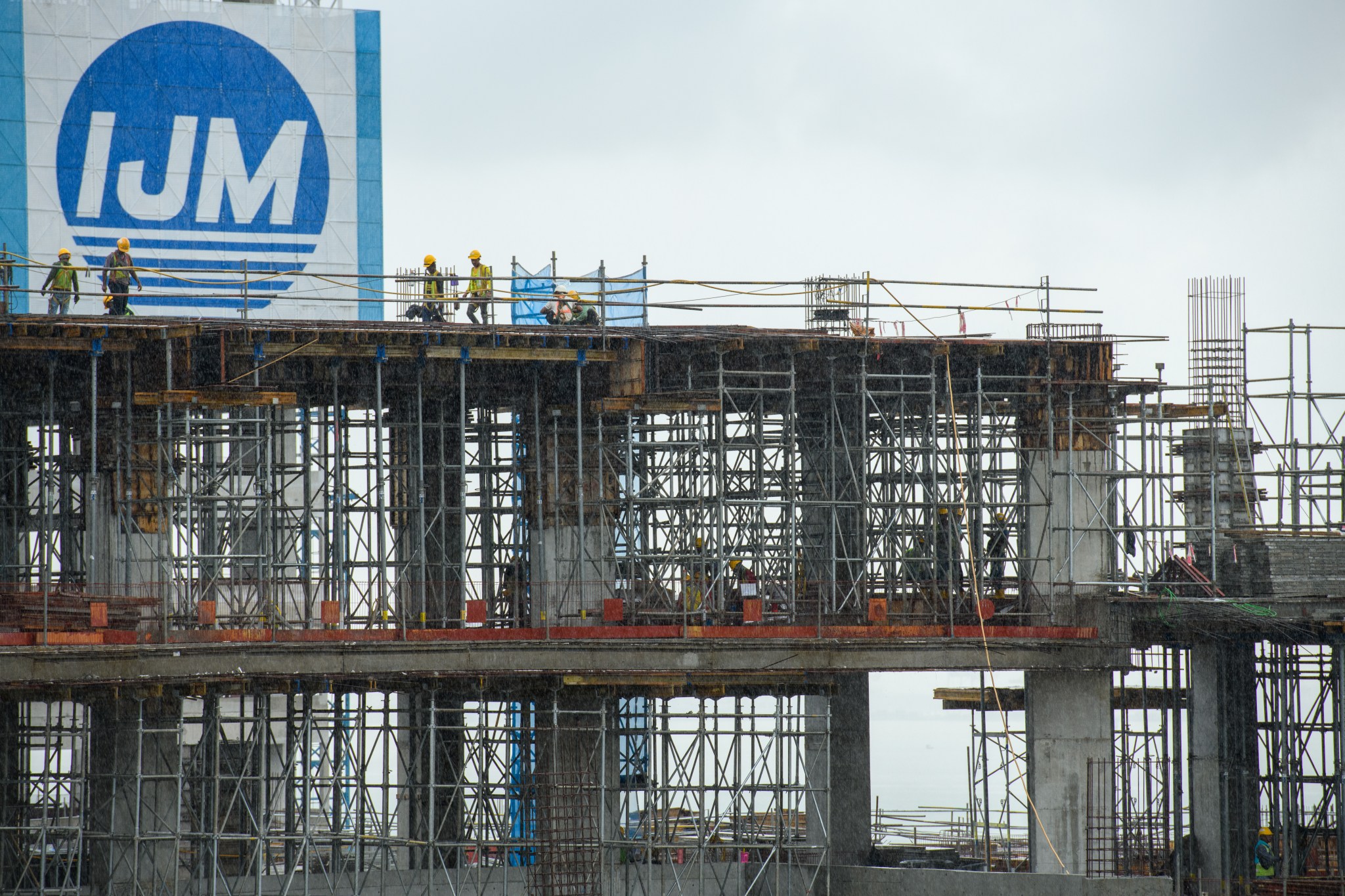
Sunway's $2.77B IJM Takeover Collapses in Malaysia
Sunway Bhd's ambitious $2.77 billion takeover bid for IJM Corp has collapsed after the Malaysian conglomerate failed to secure enough shares, dealing a significant blow to plans that would have created Southeast Asia's largest construction empire. The failed acquisition, announced on April 9, 2026, marks one of the most significant corporate deal failures in Malaysia's recent history, with implications stretching across the construction, infrastructure, and investment sectors.
The collapse comes amid mounting valuation disputes between the companies, increased political scrutiny over foreign investment regulations, and ongoing corruption investigations that have cast uncertainty over Malaysia's construction industry. Industry analysts suggest the failure reflects broader challenges facing mega-mergers in emerging markets, where regulatory complexity and political considerations often derail even the most strategically sound transactions.
The Anatomy of a Failed Mega-Deal
Sunway's takeover attempt, first announced in late 2025, represented what would have been Malaysia's largest construction industry consolidation. The proposed merger aimed to combine Sunway's property development expertise with IJM's infrastructure and construction capabilities, creating a vertically integrated conglomerate capable of competing with regional giants across Southeast Asia.
According to sources familiar with the negotiations, Sunway managed to secure only 47% of IJM's outstanding shares, falling short of the 51% threshold required for a controlling stake. The acquisition faced immediate resistance from IJM's institutional shareholders, who argued that the offered price significantly undervalued the company's infrastructure assets and development pipeline.
"The valuation gap between what Sunway was willing to pay and what IJM shareholders believed the company was worth became insurmountable," said a senior investment banker involved in the deal, speaking on condition of anonymity. "Market conditions have shifted dramatically since the initial offer was made, and IJM's recent project wins in the infrastructure sector have strengthened their negotiating position considerably."
The failed takeover also highlights the complex dynamics of Malaysia's construction sector, where political connections, government contracts, and regulatory approvals play crucial roles in determining company valuations. IJM's extensive portfolio of government infrastructure projects, including highway developments and public housing initiatives, made accurate valuation particularly challenging in the current political climate.
Political Pressure and Regulatory Hurdles
Beyond valuation disputes, the proposed merger faced significant political headwinds that ultimately contributed to its collapse. Malaysian government officials had expressed concerns about market concentration in the construction sector, particularly given both companies' involvement in critical infrastructure projects.
The Malaysian Competition Commission had indicated it would subject the merger to extensive review, focusing on potential anti-competitive effects in the property development and infrastructure construction markets. Sources close to the regulatory process suggest that political pressure from smaller construction companies and labor unions played a role in shaping the government's cautious approach to the deal.
"There was genuine concern about creating a construction monopoly that could squeeze out smaller local contractors," explained Dr. Sarah Lim, a corporate governance expert at Universiti Malaya. "The government has been increasingly sensitive to deals that could be perceived as favoring large conglomerates at the expense of broader economic participation."
The timing of the merger attempt also proved problematic, coinciding with ongoing corruption investigations within Malaysia's construction industry. While neither Sunway nor IJM has been directly implicated in any wrongdoing, the broader atmosphere of scrutiny around construction contracts and political connections created additional regulatory uncertainty that spooked investors and complicated the approval process.
Industry Impact and Market Reactions
The collapse of the Sunway-IJM deal has sent ripple effects throughout Malaysia's construction and property development sectors. Both companies' stock prices experienced significant volatility following the announcement, with IJM shares falling 8% in early trading as investors reassessed the company's standalone prospects.
Industry analysts point to the failed merger as symptomatic of broader challenges facing Malaysia's construction sector, including increased competition from international firms, rising material costs, and uncertainty around government infrastructure spending. The collapse also raises questions about the viability of other potential consolidation plays in the sector.
"This deal failure will likely make other construction companies more cautious about pursuing major acquisitions," said Marcus Wong, a sector analyst at RHB Investment Bank. "It demonstrates that even well-capitalized companies with strong strategic rationale can struggle to execute complex transactions in the current environment."
The broader implications extend beyond Malaysia's borders, as the failed merger was being watched closely by construction and infrastructure companies across Southeast Asia as a potential template for regional consolidation. The collapse may slow similar mega-deal activity across the region, as companies reassess the regulatory and political risks associated with large-scale consolidation.
For IJM, the failed takeover leaves the company in a position where it must now execute its growth strategy independently, potentially making it more vulnerable to future acquisition attempts or requiring it to seek alternative partnership arrangements to compete with larger regional players.
Expert Analysis: Lessons from a Deal Gone Wrong
Corporate finance experts suggest that the Sunway-IJM deal collapse offers valuable lessons about executing mega-mergers in emerging markets. The failure highlights the importance of early stakeholder engagement, realistic valuation expectations, and comprehensive regulatory risk assessment.
"One of the key mistakes appears to have been underestimating the political dimensions of the transaction," observed Professor James Chen, who specializes in Asian corporate finance at Singapore Management University. "In markets like Malaysia, where government relationships and regulatory approval play such critical roles, companies need to invest much more heavily in the political and social aspects of deal-making, not just the financial engineering."
The collapse also underscores the challenges of executing large transactions during periods of industry uncertainty. Malaysia's construction sector has been grappling with questions about future government infrastructure spending, environmental regulations, and labor market changes that have made long-term strategic planning increasingly difficult.
What's Next for Both Companies
Following the deal collapse, both Sunway and IJM must now refocus on their standalone growth strategies. Sunway is expected to redirect its acquisition capital toward smaller, more targeted deals that can enhance its property development capabilities without raising significant regulatory concerns.
IJM, meanwhile, faces the challenge of demonstrating to shareholders that it can deliver the growth and synergies that the Sunway merger would have provided. The company is likely to accelerate its expansion into infrastructure projects outside Malaysia and may seek strategic partnerships with international construction firms.
Industry observers will be watching closely to see whether either company becomes a takeover target for international players seeking entry into Southeast Asian construction markets. The deal collapse may have made both companies more attractive to foreign acquirers who can offer different strategic value propositions.
For more tech news, visit our news section.
Staying Informed in a Rapidly Changing Business Environment
The collapse of major corporate deals like the Sunway-IJM merger demonstrates how quickly business landscapes can shift, requiring professionals across all industries to stay informed about market developments that could impact their careers and investment decisions. Whether you're a construction industry professional, investor, or business leader, maintaining awareness of these macro trends is essential for making informed decisions and maintaining competitive advantage. Join the Moccet waitlist to stay ahead of the curve.