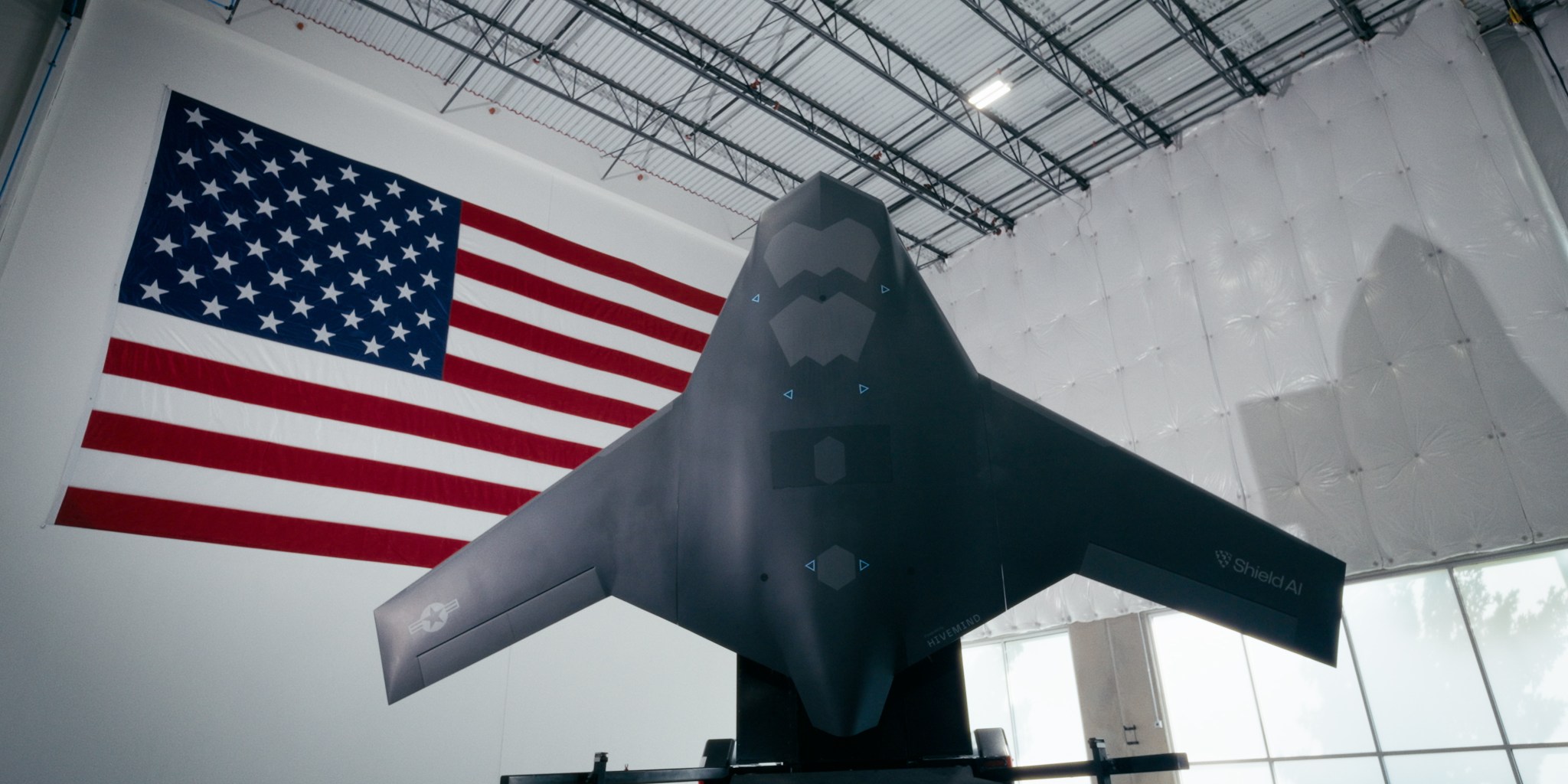
Shield AI Hits $12.7B Valuation With $540M Revenue Projection
Defense technology startup Shield AI has achieved a remarkable milestone in April 2026, with the company projecting more than $540 million in revenue for this year while its valuation has more than doubled to $12.7 billion. The surveillance drone and autonomy specialist announced it has successfully raised $1.5 billion in funding and is strategically acquiring an autonomy simulation company to expand its technological capabilities.
Massive Funding Round Signals Market Confidence
The $1.5 billion funding round represents one of the largest investments in the defense technology sector in recent years, underscoring investor confidence in Shield AI's autonomous systems and surveillance capabilities. This substantial capital injection comes at a critical time when governments worldwide are accelerating their adoption of AI-powered military technologies.
The funding round's success reflects the growing recognition that artificial intelligence and autonomous systems are reshaping modern defense strategies. Shield AI's platform combines advanced machine learning algorithms with real-time surveillance capabilities, creating solutions that can operate in complex environments without human intervention.
Industry analysts note that the timing of this funding aligns with increased global defense spending, particularly in areas involving autonomous systems and surveillance technologies. The company's ability to attract such significant investment demonstrates the market's belief in the scalability and commercial viability of AI-powered defense solutions.
The valuation increase from approximately $6 billion to $12.7 billion in less than a year indicates strong operational performance and market expansion. This growth trajectory positions Shield AI among the most valuable private defense technology companies globally, competing with established players in the autonomous systems market.
Strategic Acquisition Expands Autonomy Capabilities
Shield AI's acquisition of an autonomy simulation company represents a strategic move to enhance its testing and development capabilities for autonomous systems. Simulation technology is crucial for developing reliable AI-powered military equipment, allowing companies to test scenarios that would be dangerous, expensive, or impossible to replicate in real-world conditions.
The acquisition enables Shield AI to accelerate its product development cycles while reducing costs associated with physical testing. Advanced simulation platforms can model complex battlefield scenarios, weather conditions, and equipment failures, ensuring that autonomous systems perform reliably when deployed in actual military operations.
This vertical integration strategy allows Shield AI to maintain greater control over its technology stack while potentially reducing dependence on third-party simulation providers. The move also positions the company to offer comprehensive solutions to government clients, from initial concept development through deployment and maintenance.
The simulation capabilities will likely enhance Shield AI's competitive position when bidding for government contracts, as defense agencies increasingly prioritize vendors who can demonstrate thorough testing and validation processes. This acquisition may also open new revenue streams through licensing simulation technology to other defense contractors and research institutions.
Revenue Projection Reflects Strong Market Demand
Shield AI's projection of more than $540 million in revenue for 2026 represents significant growth in the defense technology sector. This revenue target suggests the company has secured substantial contracts with government agencies and military organizations, indicating strong market demand for autonomous surveillance and defense systems.
The revenue projection likely includes a mix of product sales, software licensing, and ongoing support services. Shield AI's business model typically involves providing both hardware solutions, such as surveillance drones, and software platforms that enable autonomous decision-making and mission execution.
Government contracts in the defense sector often involve multi-year commitments, providing Shield AI with predictable revenue streams and opportunities for expansion into additional markets. The company's focus on surveillance drones positions it well to capitalize on increasing demand for border security, intelligence gathering, and tactical support applications.
The substantial revenue target also reflects Shield AI's expansion into international markets, as allied nations seek to modernize their defense capabilities with AI-powered systems. This global expansion strategy could provide additional growth opportunities beyond traditional U.S. defense contracts.
Industry Context and Market Implications
The defense technology sector has experienced unprecedented growth in recent years, driven by evolving security challenges and rapid advances in artificial intelligence. Shield AI's success reflects broader trends toward autonomous systems that can operate independently in complex environments, reducing risks to human personnel while improving operational effectiveness.
Government agencies worldwide are increasingly investing in AI-powered defense technologies as traditional military strategies evolve to address modern threats. Autonomous surveillance drones offer advantages including extended operational duration, reduced personnel requirements, and the ability to operate in dangerous environments without risking human lives.
The competitive landscape in defense technology includes both established aerospace companies and innovative startups like Shield AI. Traditional defense contractors are adapting their strategies to incorporate AI and autonomous systems, while newer companies bring fresh approaches to solving complex military challenges.
Market research indicates that global spending on military AI systems is expected to continue growing significantly through the remainder of this decade. Shield AI's positioning at the intersection of artificial intelligence and defense technology places it well to capitalize on these market trends.
The company's focus on autonomy simulation through its recent acquisition also addresses a critical need in the industry for reliable testing and validation of AI-powered military systems. As autonomous technologies become more sophisticated, the ability to comprehensively test these systems becomes increasingly important for ensuring operational reliability and safety.
Expert Analysis and Market Response
Industry experts view Shield AI's funding success and valuation increase as indicators of the defense technology sector's maturation and growing commercial viability. The company's ability to project such substantial revenue demonstrates that AI-powered defense solutions are moving from experimental concepts to operational realities.
"Shield AI's growth trajectory reflects the broader transformation happening in defense technology," notes a senior defense industry analyst. "The combination of substantial funding, strategic acquisitions, and strong revenue projections suggests the company is well-positioned to capitalize on increasing demand for autonomous military systems."
The market response to Shield AI's announcements has been generally positive, with investors and industry observers noting the company's strategic approach to technology development and market expansion. The focus on simulation capabilities through acquisition demonstrates a sophisticated understanding of the technical challenges involved in deploying autonomous systems in military applications.
Some experts emphasize the importance of Shield AI's revenue projections in validating the commercial potential of defense AI technologies. The ability to generate substantial revenue indicates that government agencies are moving beyond pilot programs to full-scale deployments of autonomous systems.
What's Next for Defense Technology Innovation
Shield AI's success is likely to accelerate innovation across the defense technology sector, as competitors seek to develop their own autonomous systems and AI-powered solutions. The company's funding and acquisition strategy may serve as a model for other defense startups looking to scale their operations and expand their technological capabilities.
The integration of simulation capabilities with autonomous systems development represents a significant trend that other companies in the sector may follow. This approach enables more comprehensive testing and validation of AI-powered military equipment, potentially accelerating the adoption of autonomous systems across different military applications.
Looking ahead, Shield AI's growth trajectory and market position suggest continued expansion into new geographic markets and application areas. The company's success may also attract additional investment in the broader defense technology sector, fueling further innovation in AI-powered military systems.
The defense industry will likely continue evolving toward greater autonomy and AI integration, with companies like Shield AI leading the way in developing practical solutions for complex military challenges. This trend has implications for national security strategies and military operational approaches worldwide.
For more tech news, visit our news section.
Staying Ahead in the Technology Revolution
The rapid advancement of AI technologies in defense applications mirrors similar innovations transforming personal productivity and health optimization. Just as Shield AI leverages artificial intelligence to enhance surveillance and autonomous decision-making, individuals can harness AI-powered tools to optimize their daily routines, health monitoring, and productivity workflows. The same principles of automation and intelligent data analysis that drive military innovation can revolutionize how we approach personal wellness and performance optimization. Join the Moccet waitlist to stay ahead of the curve.