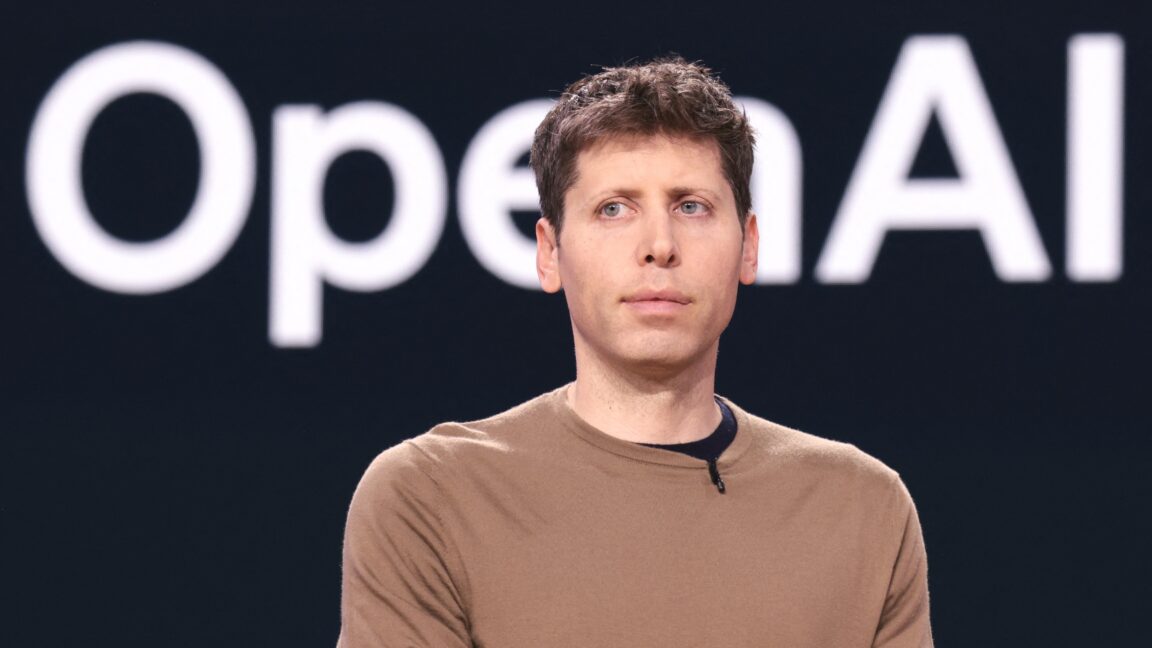
OpenAI Acquires Tech Talk Show TBPN in Media Expansion Move
OpenAI has acquired the tech-focused talk show TBPN in a surprising move that signals the artificial intelligence giant's continued expansion beyond its core AI research and development activities. The acquisition, announced April 6, 2026, will keep the program based in Los Angeles while maintaining what OpenAI promises will be complete editorial independence for the show's operations.
OpenAI's Strategic Media Acquisition Unfolds
The acquisition of TBPN represents OpenAI's most direct foray into traditional media ownership, marking a significant shift in the company's strategic direction. While financial terms of the deal remain undisclosed, industry analysts view this move as part of a broader trend among major technology companies seeking direct channels to communicate with audiences and shape public discourse around emerging technologies.
TBPN, known for its in-depth discussions on technology trends, startup ecosystems, and digital innovation, has built a substantial following among tech professionals, investors, and enthusiasts. The show's format, which typically features long-form conversations with industry leaders, entrepreneurs, and researchers, aligns with OpenAI's apparent interest in fostering deeper public understanding of artificial intelligence and its implications.
According to OpenAI's statement, the acquisition will not result in any immediate changes to TBPN's production schedule, host lineup, or content strategy. The company emphasized its commitment to preserving the show's journalistic integrity and allowing producers to maintain their current editorial processes without interference from OpenAI's corporate leadership.
This acquisition comes at a time when OpenAI faces increasing scrutiny from regulators, competitors, and the public regarding AI safety protocols, competitive practices, and the societal implications of rapidly advancing artificial intelligence technologies. By acquiring a respected platform in tech media, OpenAI potentially gains a valuable channel for communicating its perspective on these critical issues.
Industry Context: Tech Giants Embrace Media Ownership
OpenAI's acquisition of TBPN follows a well-established pattern among major technology companies investing in media properties and content creation platforms. This trend reflects the growing recognition that controlling narrative and maintaining direct communication channels with audiences has become essential for tech companies operating in an increasingly complex regulatory and competitive landscape.
Amazon's acquisition of The Washington Post in 2013, Marc Benioff's purchase of Time magazine in 2018, and various other tech executive investments in media properties demonstrate the strategic value these leaders place on owning influential communication platforms. For companies like OpenAI, which operate at the forefront of potentially transformative technologies, having direct access to media channels can be crucial for shaping public perception and policy discussions.
The artificial intelligence sector, in particular, has faced mounting pressure to improve transparency and communication with the public. High-profile concerns about AI safety, job displacement, privacy implications, and the concentration of AI capabilities among a few major companies have created a challenging communication environment for industry leaders. Traditional media coverage of AI developments often focuses on sensational aspects or potential risks, sometimes lacking the technical nuance that companies like OpenAI believe is necessary for informed public discourse.
By owning TBPN, OpenAI gains a platform specifically designed for technical audiences who are already engaged with technology topics and likely to appreciate more sophisticated discussions about AI development, implementation challenges, and future possibilities. This audience represents key stakeholders including developers, entrepreneurs, investors, and policy makers who influence how AI technologies are adopted and regulated.
The Los Angeles location of TBPN also holds strategic significance, positioning OpenAI closer to entertainment industry networks and creative communities that are increasingly important markets for AI applications. As artificial intelligence tools become more prevalent in content creation, media production, and creative industries, having a presence in Los Angeles could facilitate important partnerships and collaborations.
Editorial Independence Promise Raises Questions
OpenAI's commitment to maintaining TBPN's editorial independence represents both a strategic necessity and a potential challenge for the company's long-term media strategy. While this promise may help preserve the show's credibility and audience trust, it also raises questions about OpenAI's ultimate objectives for the acquisition and how the company will balance its corporate interests with journalistic integrity.
Media acquisitions by tech companies often begin with similar promises of editorial independence, but the practical implementation of such commitments can prove complex over time. Subtle influences on content direction, guest selection, topic prioritization, and resource allocation can gradually shift a media property's editorial stance without explicitly violating independence agreements.
For TBPN's existing audience and the broader tech media ecosystem, the key test will be whether the show continues to provide critical analysis of AI developments, including potential negative consequences, regulatory challenges, and competitive concerns that might reflect poorly on OpenAI. The show's treatment of topics like AI safety protocols, data privacy practices, and market concentration in the AI industry will likely serve as indicators of how successfully editorial independence is being maintained.
Industry observers will also watch for changes in TBPN's guest lineup and topic selection. If the show begins featuring more OpenAI executives, partners, or favorable coverage of OpenAI initiatives while reducing critical perspectives or competing viewpoints, it could signal erosion of the promised editorial autonomy.
The acquisition also raises broader questions about media diversity and independence in technology coverage. As more tech companies acquire media properties, the range of truly independent voices covering technology developments may narrow, potentially limiting the breadth of perspectives available to public audiences trying to understand complex technological and policy issues.
Expert Analysis and Industry Implications
Technology industry analysts view OpenAI's acquisition of TBPN as a logical extension of the company's growing influence and ambition beyond pure AI research. "This move signals that OpenAI recognizes the critical importance of narrative control in the current AI landscape," notes Sarah Chen, a technology policy researcher at Stanford University. "Having a direct communication channel could be invaluable as the company faces increasing regulatory scrutiny and competitive pressure."
The acquisition also reflects OpenAI's evolution from a research organization focused primarily on AI development to a comprehensive technology company with broader strategic interests. This transformation has included expansions into enterprise services, consumer applications, and now media ownership, suggesting a more traditional corporate approach to market positioning and stakeholder communication.
Market analysts suggest that the acquisition could influence how other AI companies approach media relations and public communication. As competition intensifies among major AI developers, owning dedicated communication platforms may become increasingly attractive for companies seeking to differentiate their messages and maintain direct relationships with key audiences.
The deal may also impact the broader landscape of technology journalism and media coverage. Independent tech media outlets may face increased pressure to maintain critical perspectives while competing against well-funded corporate-owned alternatives. This dynamic could ultimately affect the quality and diversity of technology coverage available to public audiences.
What's Next: Monitoring Changes and Industry Response
The success of OpenAI's TBPN acquisition will largely depend on the company's ability to balance its corporate interests with the media property's credibility and audience expectations. Industry observers will be watching for several key indicators over the coming months, including changes to the show's format, guest selection, and coverage of sensitive AI industry topics.
The acquisition may also prompt similar moves by other major AI companies seeking their own direct communication channels. Google, Microsoft, Anthropic, and other AI developers may explore media acquisitions or content partnerships to ensure their perspectives are represented in public discourse about artificial intelligence development and policy.
Regulatory attention to media ownership by technology companies may also intensify, particularly as concerns about market concentration and information control continue to grow among policymakers. The Federal Trade Commission and other regulatory bodies may scrutinize future tech company media acquisitions more closely, potentially affecting the broader trend of tech executive media investments.
For more tech news, visit our news section.
Staying Informed in the Evolving Tech Landscape
As artificial intelligence companies like OpenAI expand their influence across multiple industries and communication channels, staying informed about these developments becomes crucial for professionals working in health, productivity, and personal optimization sectors. The convergence of AI technology with media ownership represents just one example of how rapidly evolving tech landscapes can impact various aspects of our professional and personal lives. Understanding these shifts helps us make better decisions about the tools and platforms we use for health monitoring, productivity enhancement, and personal development. Join the Moccet waitlist to stay ahead of the curve.