Nvidia PC Acquisition Speculation Sends Dell, HP Shares Soaring
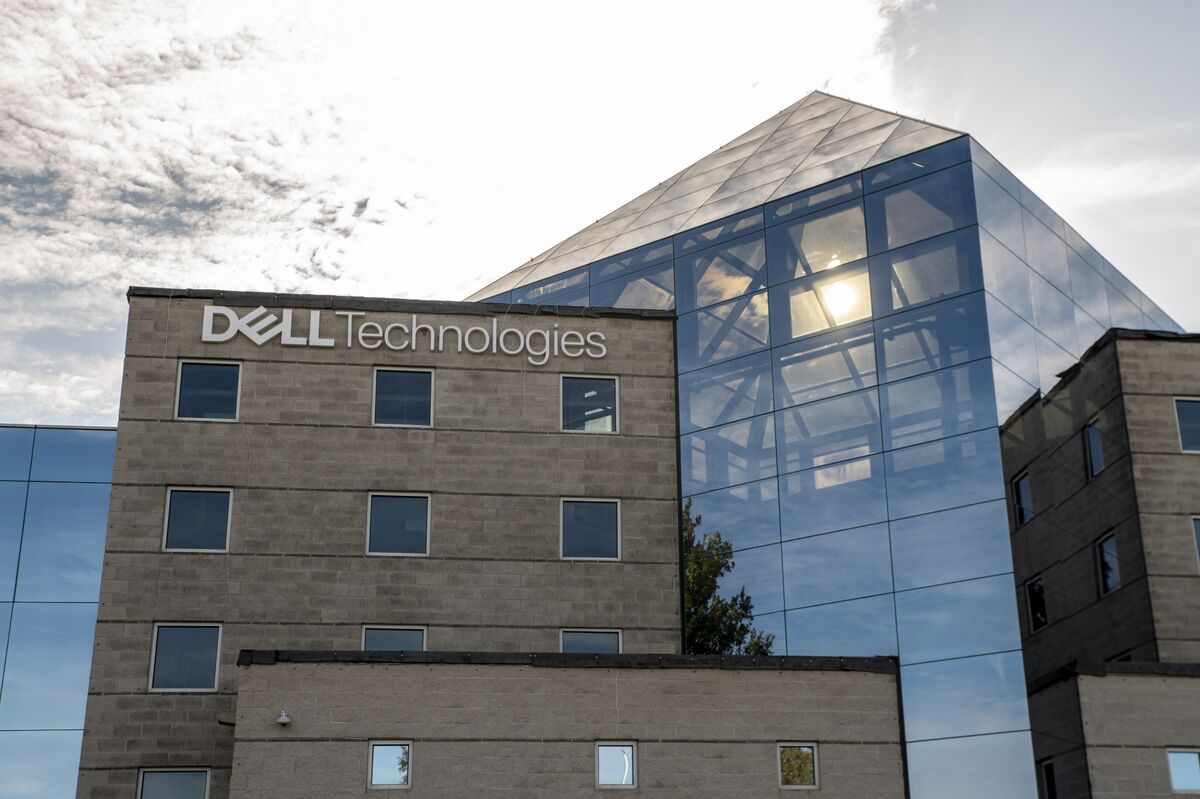
Dell Technologies Inc. and HP Inc. shares surged on April 13, 2026, following speculation that Nvidia Corp. is exploring a major acquisition that could "reshape the PC landscape," according to a report from industry publication SemiAccurate. The market reaction underscores investor appetite for consolidation in the evolving personal computer industry as AI computing transforms traditional hardware dynamics.
The speculation comes at a pivotal moment for the PC industry, which has been grappling with shifting demand patterns, supply chain challenges, and the growing integration of artificial intelligence capabilities into consumer and enterprise computing devices. Both Dell and HP have been positioning themselves beyond traditional hardware manufacturing, expanding into services, cloud solutions, and AI-enhanced productivity tools.
Market Response Signals Investor Appetite for Tech Consolidation
The immediate market response to the Nvidia acquisition speculation highlights the current state of investor sentiment in the technology sector. Dell Technologies shares experienced notable gains, reflecting market confidence in the potential strategic value such a deal could create. Similarly, HP Inc. saw its stock price climb as investors weighed the possibilities of increased competition and industry reshuffling.
This market reaction occurs against a backdrop of significant transformation in the PC industry. Traditional manufacturers have been adapting to new competitive pressures from cloud computing providers, mobile device manufacturers, and AI-focused technology companies. The potential entry of Nvidia, primarily known for its graphics processing units and AI computing infrastructure, into direct PC manufacturing would represent a fundamental shift in industry dynamics.
The speculation also reflects broader trends in technology industry consolidation. Major technology companies have been increasingly looking to vertical integration strategies, combining hardware manufacturing capabilities with software and semiconductor expertise. This approach allows companies to optimize performance across the entire technology stack while potentially reducing costs and improving time-to-market for new innovations.
Industry analysts note that such consolidation often leads to increased innovation cycles and more integrated product offerings. However, it also raises questions about market competition and the concentration of technological capabilities within fewer, larger organizations. The potential implications extend beyond immediate stock price movements to fundamental questions about the future structure of the personal computing industry.
Nvidia's Strategic Evolution Beyond Graphics Processing
Nvidia's reported interest in PC manufacturing acquisition represents a significant strategic evolution for the company, which has transformed from a graphics card manufacturer into a dominant force in artificial intelligence and data center computing. The company's GPUs have become essential infrastructure for AI training and deployment, making Nvidia one of the most valuable technology companies globally by 2026.
The potential move into PC manufacturing would leverage Nvidia's semiconductor expertise while providing direct access to consumer and enterprise markets. This vertical integration strategy could enable the company to optimize AI capabilities across the entire computing experience, from chip-level processing to user-facing applications and interfaces.
Such an acquisition would also position Nvidia to compete more directly with integrated technology providers like Apple, which designs its own processors and manufactures its own devices. The growing importance of AI processing in personal computing devices makes this strategic alignment increasingly logical from both technological and market perspectives.
The timing of this speculation coincides with Nvidia's continued expansion beyond traditional graphics processing. The company has been investing heavily in software platforms, developer tools, and enterprise solutions that complement its hardware capabilities. Adding PC manufacturing to this portfolio would create new opportunities for integrated solutions that combine cutting-edge AI processing with optimized hardware design.
Industry observers note that Nvidia's financial position provides significant flexibility for major acquisitions. The company's success in AI and data center markets has generated substantial cash flow and market valuation, creating the resources necessary for transformative deals that could reshape competitive dynamics across multiple technology sectors.
Dell and HP Strategic Positioning in Evolving Market
Both Dell Technologies and HP Inc. have been actively repositioning themselves for the changing technology landscape, making them potentially attractive acquisition targets for companies seeking to expand their market presence. Dell has focused heavily on enterprise solutions, cloud infrastructure, and AI-enhanced productivity tools, while HP has emphasized innovation in printing technology, personal computing, and hybrid work solutions.
Dell's enterprise focus has positioned the company as a leader in business computing solutions, with strong relationships across corporate customers and government organizations. The company's expertise in server infrastructure, storage solutions, and enterprise software creates synergies with Nvidia's data center and AI computing capabilities. This complementary positioning could provide significant value creation opportunities for potential acquirers.
HP's consumer and business computing portfolio includes innovative hardware designs, software integration capabilities, and established distribution channels across global markets. The company's focus on sustainability, user experience optimization, and hybrid work solutions aligns with broader technology industry trends toward more integrated and environmentally conscious computing solutions.
Both companies have demonstrated adaptability in responding to market changes, including the shift toward remote work, increased demand for AI-enhanced productivity tools, and growing emphasis on security and privacy protection. These capabilities make them valuable strategic assets for technology companies looking to expand their market presence or integrate new capabilities into their existing portfolios.
The potential for acquisition also reflects the companies' strong intellectual property portfolios, manufacturing capabilities, and established relationships with suppliers and customers. These assets provide immediate value for acquirers while also offering platforms for future innovation and market expansion.
Industry Context: The Changing PC Landscape
The personal computer industry has undergone significant transformation in recent years, driven by evolving work patterns, technological advancement, and changing consumer preferences. The COVID-19 pandemic accelerated many of these trends, creating both opportunities and challenges for traditional PC manufacturers while opening new market segments for innovative technology solutions.
Artificial intelligence integration has become a key differentiator in personal computing, with manufacturers increasingly focusing on AI-enhanced features for productivity, creativity, and user experience optimization. This trend has created opportunities for companies with strong AI capabilities to enter or expand their presence in the PC market, potentially through acquisition strategies that combine hardware manufacturing with advanced processing capabilities.
The rise of hybrid and remote work has also reshaped PC market dynamics, creating increased demand for portable, powerful, and secure computing solutions. This shift has benefited companies that can provide integrated hardware and software solutions optimized for distributed work environments, collaborative applications, and cloud-based productivity tools.
Supply chain challenges and geopolitical considerations have added complexity to PC manufacturing and distribution, creating incentives for vertical integration strategies that provide greater control over production processes and component sourcing. Companies with strong semiconductor capabilities, like Nvidia, are particularly well-positioned to navigate these challenges while potentially reducing costs and improving product performance.
The growing importance of sustainability and environmental responsibility in technology purchasing decisions has also influenced industry dynamics. Consumers and enterprise customers increasingly prioritize energy efficiency, recyclable materials, and long-term device lifecycle management, creating opportunities for companies that can integrate these considerations into their product development and manufacturing processes.
Market consolidation trends reflect these underlying changes, as companies seek to build comprehensive capabilities that address evolving customer needs while maintaining competitive positioning in an increasingly complex technology landscape. The potential for major acquisitions in the PC industry represents one manifestation of these broader strategic imperatives.
Expert Analysis: Implications for Competition and Innovation
Technology industry experts view the potential for Nvidia's entry into PC manufacturing as a significant development that could accelerate innovation while raising important questions about market competition and industry structure. The combination of advanced semiconductor capabilities with established manufacturing and distribution infrastructure could create new possibilities for integrated computing solutions.
"The integration of AI processing capabilities at the hardware level represents the next major evolution in personal computing," notes Dr. Sarah Chen, a technology industry analyst at Stanford Research Institute. "Companies that can optimize this integration across the entire technology stack are likely to have significant competitive advantages in the coming years."
The potential acquisition also raises questions about the concentration of technological capabilities within fewer, larger organizations. Some experts express concerns about reduced competition and innovation diversity, while others argue that such consolidation is necessary for companies to compete effectively in global markets against integrated technology providers.
Industry observers note that successful integration of acquired PC manufacturing capabilities would require significant investment in manufacturing processes, supply chain management, and customer relationship development. These operational challenges could influence the timing and structure of potential deals while also affecting their ultimate success in creating value for customers and shareholders.
The speculation surrounding Nvidia's interest also reflects broader investor confidence in the technology sector's ability to continue generating growth through strategic acquisitions and market expansion. This confidence supports higher valuations for potential acquisition targets while also creating pressure for companies to demonstrate clear strategic rationales for major deals.
What's Next: Monitoring Market Developments
The immediate focus will be on whether Nvidia confirms or denies the acquisition speculation, and if confirmed, which specific companies or assets might be targets for potential deals. Market participants will also monitor regulatory responses, particularly given increasing scrutiny of major technology acquisitions by government authorities in multiple jurisdictions.
Industry observers will watch for additional consolidation activity as other technology companies potentially respond to competitive pressures created by major acquisitions. The PC industry's evolution toward AI integration and vertical integration strategies suggests that current speculation may represent the beginning of broader structural changes rather than isolated events.
Long-term implications include the potential for accelerated innovation in AI-enhanced personal computing, changes in competitive dynamics across the technology industry, and new opportunities for companies that can effectively integrate hardware and software capabilities. These developments will likely influence investment strategies, product development priorities, and market positioning across the technology sector.
For more tech news, visit our news section.
Optimizing Your Productivity in a Changing Tech Landscape
As major technology companies reshape the computing industry through strategic acquisitions and innovation, professionals and organizations need tools to navigate these changes effectively. The integration of AI capabilities into personal computing devices will create new opportunities for productivity optimization, but success will depend on choosing the right tools and strategies for your specific needs. Whether you're adapting to new hardware capabilities, optimizing workflows for hybrid work environments, or managing the health implications of increased screen time, staying informed about technology trends while maintaining focus on personal well-being becomes increasingly important. Join the Moccet waitlist to stay ahead of the curve.