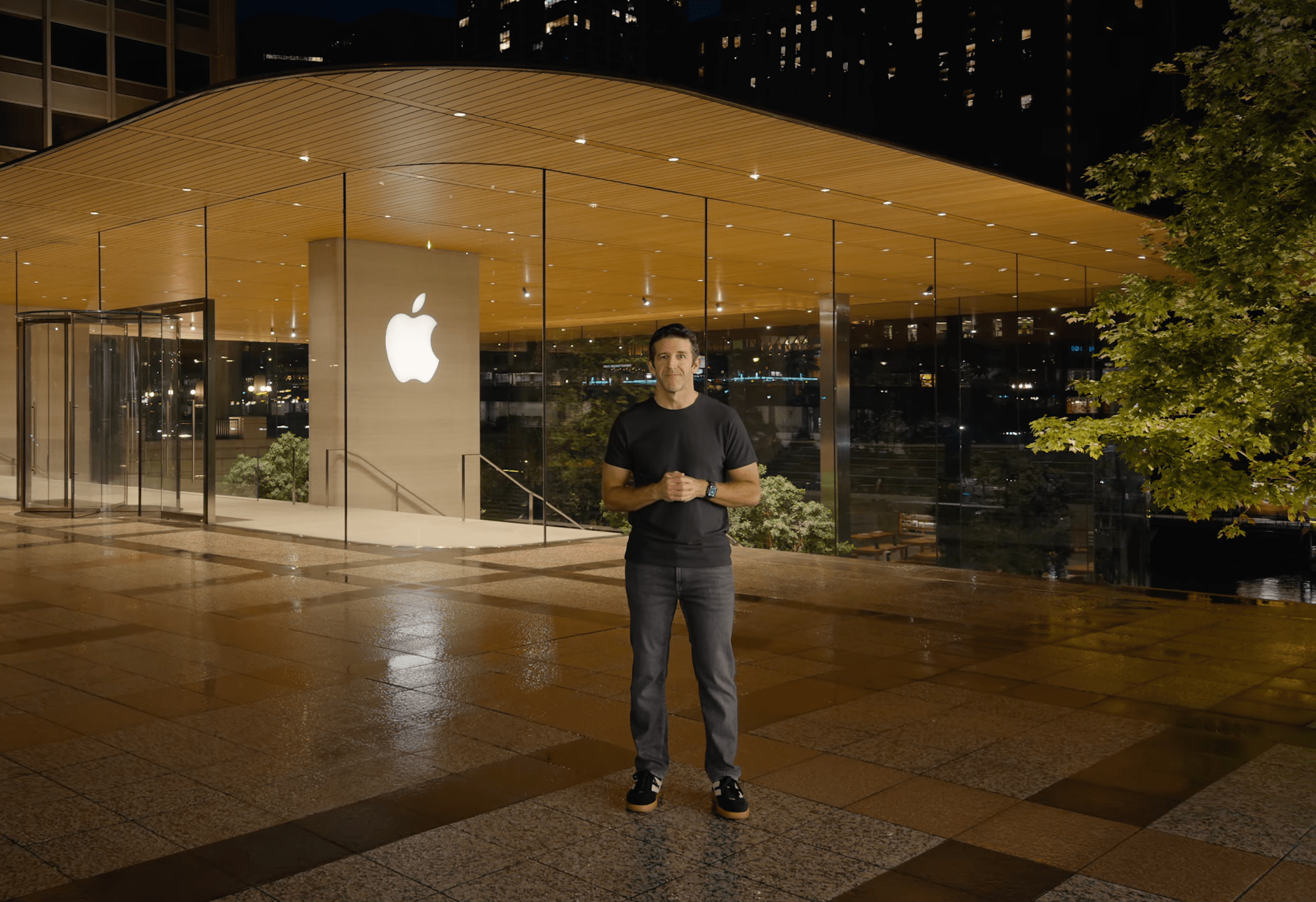
John Ternus Named Apple's New CEO as Tim Cook Transitions
Apple Inc. announced a historic leadership transition today, naming John Ternus, the company's 51-year-old senior vice president of hardware engineering, as its next CEO. Tim Cook, who has led the tech giant since 2011, will transition to executive chairman of Apple's board of directors, marking the end of an era for the world's most valuable technology company.
The announcement, made on April 20, 2026, represents a carefully orchestrated succession plan that maintains continuity while ushering in new leadership for Apple's next phase of growth. Ternus, a former swimming champion turned tech executive, brings over two decades of hardware engineering expertise to the role, having been instrumental in developing Apple's current product lineup.
From Swimming Pool to Silicon Valley: John Ternus's Journey to the Top
John Ternus's path to becoming Apple CEO is as unconventional as it is impressive. Before joining Apple, the 51-year-old executive was a competitive swimmer, a background that speaks to his discipline, focus, and ability to perform under pressure—qualities that have served him well in the demanding world of technology leadership.
Since joining Apple's hardware engineering division, Ternus has been a driving force behind some of the company's most successful products. His deep understanding of Apple's engineering culture and processes has made him a trusted leader within the organization, overseeing critical product development cycles and maintaining Apple's reputation for innovative hardware design.
As senior vice president of hardware engineering, Ternus has worked closely with teams responsible for the iPhone, iPad, Mac, and Apple's growing ecosystem of connected devices. His promotion to CEO signals Apple's continued commitment to hardware excellence and product innovation, core pillars that have defined the company's success under both Steve Jobs and Tim Cook.
Industry observers note that Ternus's athletic background may have prepared him for the intense demands of leading a trillion-dollar corporation. The discipline required for competitive swimming—early morning training sessions, rigorous goal-setting, and mental resilience—translates well to the fast-paced, high-stakes world of technology leadership.
Tim Cook's Strategic Transition to Executive Chairman
Tim Cook's move to executive chairman represents a strategic transition rather than an abrupt departure from Apple's leadership. Since taking over from co-founder Steve Jobs in August 2011, Cook has transformed Apple from a primarily computer and smartphone company into a diversified technology ecosystem encompassing services, wearables, and emerging technologies.
Under Cook's leadership, Apple's market capitalization grew from approximately $350 billion in 2011 to over $3 trillion by 2026, making it one of the most valuable companies in history. His tenure saw the successful launch of the Apple Watch, AirPods, Apple Services, and the company's expansion into health technology, autonomous vehicles, and augmented reality.
The transition to executive chairman allows Cook to maintain strategic oversight while giving Ternus operational control of day-to-day activities. This structure has been successfully employed by other major technology companies, providing continuity during leadership changes while enabling fresh perspectives to drive innovation.
Cook's decision to step back from the CEO role at age 65 reflects a planned succession strategy that Apple's board has likely been developing for several years. By promoting from within, the company maintains its cultural identity and institutional knowledge while positioning itself for future growth under new leadership.
Apple's Hardware-First Future Under New Leadership
The selection of John Ternus as Apple's new CEO sends a clear signal about the company's strategic priorities moving forward. By choosing a hardware engineering executive over candidates from services, software, or operations, Apple is doubling down on its identity as a hardware-first company that creates integrated experiences across devices and services.
This choice becomes particularly significant as Apple continues to develop next-generation technologies including augmented reality headsets, autonomous vehicle systems, and advanced health monitoring devices. Ternus's deep technical expertise positions him to guide Apple through complex product development cycles and maintain the company's reputation for premium, innovative hardware.
The transition also reflects Apple's confidence in its current strategic direction. Rather than bringing in an external CEO who might dramatically reshape the company's priorities, the board's selection of Ternus suggests satisfaction with Apple's trajectory and a desire to accelerate existing initiatives rather than pivot to new markets.
Industry analysts expect Ternus to focus heavily on Apple's emerging product categories, particularly the company's long-rumored augmented reality platform and its autonomous vehicle project. His hardware engineering background makes him uniquely qualified to oversee these technically complex initiatives that require tight integration between hardware, software, and services.
Industry Context and Competitive Implications
Apple's leadership transition comes at a critical time for the technology industry, as major competitors continue to invest heavily in artificial intelligence, cloud computing, and next-generation hardware platforms. The company faces increasing pressure to maintain its innovation edge while expanding into new markets and defending its position in core categories like smartphones and computers.
The choice of a hardware engineering leader reflects Apple's strategy to differentiate through superior product design and manufacturing capabilities, rather than competing primarily on software or services. This approach has historically been Apple's strength, but it requires continued innovation in an increasingly competitive landscape where companies like Google, Microsoft, and Meta are investing billions in emerging technologies.
Ternus inherits a company with strong financial performance but facing challenges including market saturation in key product categories, regulatory scrutiny in multiple jurisdictions, and supply chain complexities that became apparent during the global pandemic. His technical background may help Apple navigate these challenges while continuing to develop breakthrough products.
The leadership transition also occurs as Apple expands its presence in health technology, an area where hardware engineering expertise becomes crucial for developing sophisticated sensors, monitors, and medical devices. Ternus's leadership could accelerate Apple's transformation into a major health technology company, building on the success of the Apple Watch and expanding into new categories of medical devices and health services.
Expert Analysis and Market Response
Technology industry analysts have responded positively to Apple's choice of John Ternus as the company's next CEO, citing his deep product expertise and proven track record in hardware development. "Ternus represents continuity with Apple's core strengths while bringing fresh energy to the top role," noted one Silicon Valley analyst who requested anonymity due to their firm's relationship with Apple.
The internal promotion strategy has historical precedent at Apple, where both Tim Cook and Steve Jobs rose through the ranks before assuming the CEO role. This approach helps maintain Apple's unique corporate culture while ensuring new leadership understands the company's complex product development processes and supply chain relationships.
Market researchers expect Ternus to face immediate pressure to demonstrate Apple's continued innovation capabilities, particularly in emerging categories where competitors have gained momentum. His success will likely be measured by the company's ability to launch breakthrough products while maintaining the premium pricing and profit margins that have defined Apple's business model.
The transition timeline and specific details of how responsibilities will be divided between Ternus and Cook in his new executive chairman role remain to be seen, but industry observers expect a gradual handoff that maintains stability while enabling new strategic initiatives.
What's Next: Key Areas to Watch
As John Ternus prepares to take the helm at Apple, several key areas will likely define his early tenure as CEO. The company's augmented reality platform, which has been in development for years, represents a major opportunity to create an entirely new product category and expand Apple's ecosystem beyond traditional computing devices.
Apple's automotive initiatives will also be closely watched, as the company continues to explore opportunities in autonomous vehicles and transportation technology. Ternus's hardware engineering background positions him well to oversee these complex, long-term development projects that require significant technical expertise and strategic vision.
The new CEO will also need to navigate ongoing regulatory challenges and competitive pressures while maintaining Apple's culture of innovation and premium positioning. His leadership style and strategic priorities will become clearer in the coming months as he assumes full operational control of the company.
For more tech news, visit our news section.
The Intersection of Leadership and Personal Performance
Apple's leadership transition highlights the importance of diverse backgrounds and experiences in technology leadership. John Ternus's journey from competitive swimming to CEO demonstrates how athletic discipline and peak performance principles can translate to corporate success. As professionals navigate their own career transitions and leadership challenges, the tools and strategies that optimize personal performance become increasingly valuable. Join the Moccet waitlist to stay ahead of the curve with insights on leadership, productivity, and personal optimization that can help you achieve your own breakthrough moments.