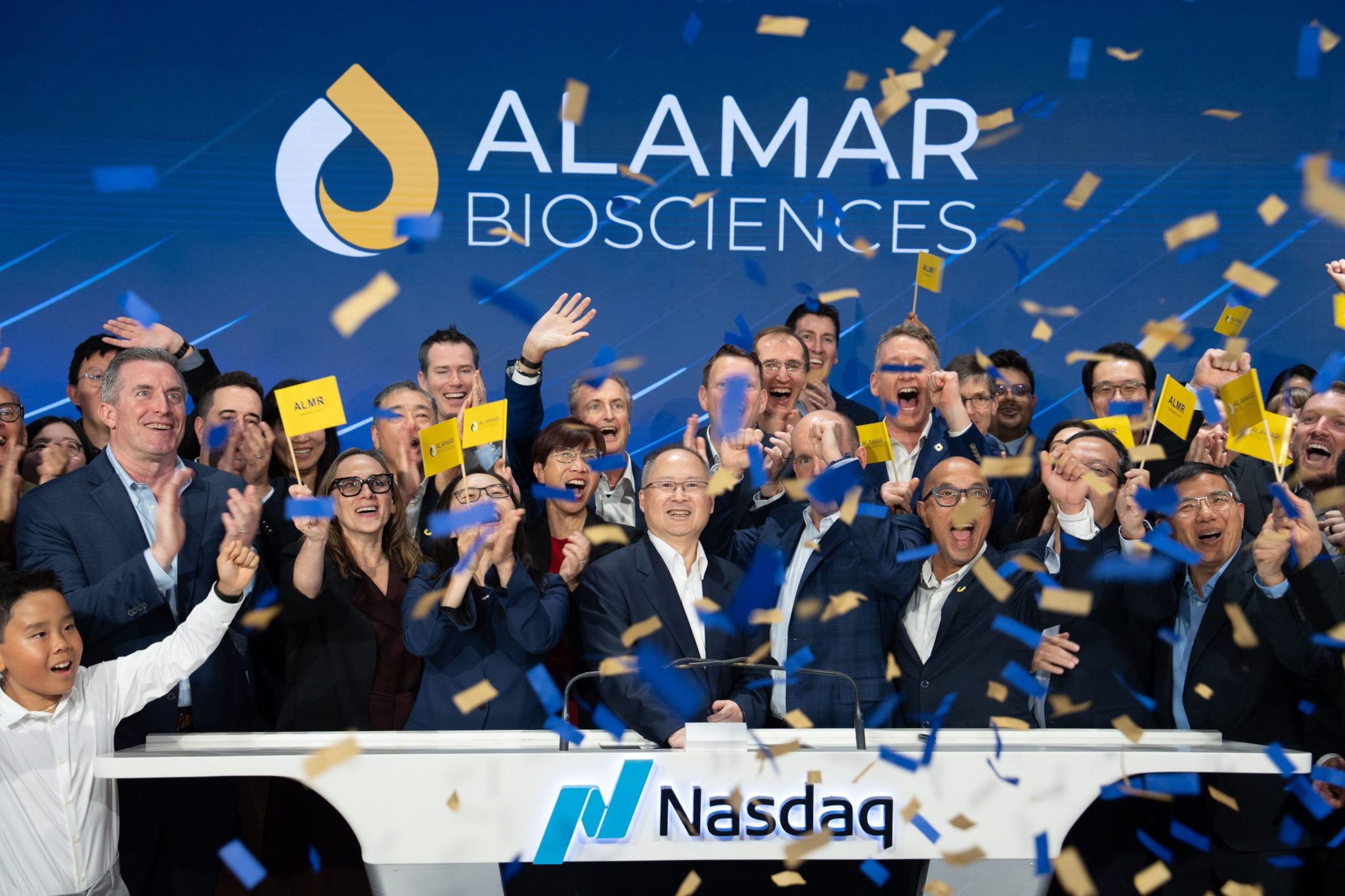
Biotech IPOs Surge: GLP-1 Drugs Drive Investment Revival
The biotech IPO market is experiencing a dramatic renaissance in April 2026, with companies like Kailera and Alamar spearheading a surge in public offerings that marks the end of a prolonged funding drought. Strong investor demand for GLP-1 drugs and next-generation diagnostic testing is pulling capital back into life sciences, even as artificial intelligence continues to dominate the broader venture capital landscape.
GLP-1 Drug Market Fuels Investor Appetite
The revival of biotech IPOs is being driven primarily by unprecedented demand for GLP-1 receptor agonists, a class of medications that has transformed the treatment landscape for diabetes and obesity. These drugs, which include blockbuster treatments like semaglutide and tirzepatide, have generated billions in revenue for pharmaceutical giants and created a ripple effect throughout the biotechnology sector.
Investors are increasingly recognizing the massive market opportunity in metabolic health, with the global GLP-1 receptor agonist market projected to reach over $100 billion by 2030. This surge in interest extends beyond established players to include emerging biotech companies developing next-generation GLP-1 therapies with improved efficacy, reduced side effects, or novel delivery mechanisms.
The success of companies like Novo Nordisk and Eli Lilly in the GLP-1 space has validated the commercial potential of metabolic health treatments, encouraging venture capitalists and public market investors to seek out the next wave of innovation in this sector. Biotech companies with promising GLP-1 candidates or complementary technologies are finding themselves in high demand, with some commanding premium valuations in their public debuts.
The broader implications of this trend extend beyond individual drug development. The focus on GLP-1 therapies has catalyzed investment in related areas including obesity research, diabetes management technologies, and personalized medicine approaches that could enhance treatment outcomes for metabolic disorders.
Next-Generation Diagnostics Drive Innovation Wave
Alongside the GLP-1 boom, next-generation diagnostic testing represents another major catalyst for the biotech IPO revival. The convergence of artificial intelligence, genomics, and advanced laboratory techniques has created opportunities for companies to develop more precise, faster, and cost-effective diagnostic solutions across multiple disease areas.
Companies like Alamar are at the forefront of this diagnostic revolution, leveraging cutting-edge technologies to address critical gaps in disease detection and monitoring. These innovations range from liquid biopsies for early cancer detection to AI-powered imaging systems that can identify diseases at their earliest stages, when treatment is most effective.
The COVID-19 pandemic fundamentally shifted investor perspectives on diagnostic testing, demonstrating the critical importance of rapid, accurate testing infrastructure for public health. This awareness has persisted into 2026, with investors now viewing diagnostic companies as essential components of healthcare systems rather than niche players.
The integration of artificial intelligence into diagnostic platforms has particularly captured investor attention. AI-enabled diagnostics can process vast amounts of data to identify patterns invisible to human analysis, potentially revolutionizing everything from radiology to pathology. Companies that successfully combine proprietary AI algorithms with robust clinical validation data are finding strong support in public markets.
Biotech Competes with AI for Venture Capital
Despite the positive momentum in biotech IPOs, the sector continues to face intense competition from artificial intelligence companies for venture capital funding. AI startups have attracted unprecedented investment levels in recent years, with some companies raising hundreds of millions of dollars based on technology platforms rather than specific products.
This dynamic has created a challenging environment for biotech companies, which typically require longer development timelines and face greater regulatory hurdles than software-based AI companies. However, the recent IPO activity suggests that patient capital willing to support biotech innovation still exists, particularly for companies with clear paths to market and strong clinical data.
The competition for funding has also driven innovation within the biotech sector itself. Many companies are now incorporating AI and machine learning technologies into their drug discovery and development processes, creating hybrid business models that appeal to investors interested in both biotechnology and artificial intelligence.
Venture capital firms are increasingly adopting portfolio strategies that balance quick-return AI investments with longer-term biotech opportunities. This approach allows them to maintain exposure to transformative healthcare innovations while managing the extended timelines and regulatory risks inherent in biotechnology development.
Industry Context: Recovery from the Biotech Winter
The current biotech IPO surge represents a significant departure from the challenging market conditions that characterized much of 2024 and early 2025. During this period, often referred to as the "biotech winter," many companies postponed public offerings due to unfavorable market conditions, high interest rates, and investor risk aversion following several high-profile drug development failures.
The recovery has been gradual but meaningful, supported by several factors including improved clinical trial success rates, clearer regulatory pathways for innovative therapies, and growing recognition of biotechnology's role in addressing global health challenges. The success of recently approved treatments across multiple therapeutic areas has restored investor confidence in the sector's ability to deliver breakthrough innovations.
Market dynamics have also shifted favorably for biotech companies. Interest rates have stabilized at more manageable levels, reducing the pressure on growth companies to demonstrate immediate profitability. Additionally, institutional investors have begun reallocating capital toward healthcare investments as aging populations worldwide drive demand for new medical technologies.
The regulatory environment has become more predictable as well, with agencies like the FDA providing clearer guidance on approval pathways for innovative therapies. This regulatory clarity has reduced some of the uncertainty that previously deterred investors from committing capital to biotech ventures.
Furthermore, the success of companies developing treatments for metabolic diseases has demonstrated the substantial commercial opportunity available to biotech innovators who can address large patient populations with significant unmet medical needs.
Expert Analysis: Sustainable Growth or Market Cycle?
Industry experts are divided on whether the current biotech IPO revival represents a sustainable shift in investor sentiment or merely another cycle in the historically volatile biotech investment landscape. Some analysts point to fundamental changes in the healthcare market that support continued investor interest in biotechnology companies.
"We're seeing a maturation of the biotech sector where companies are demonstrating clearer paths to profitability and stronger clinical development capabilities," notes Dr. Sarah Chen, a biotechnology investment analyst at Healthcare Ventures. "The combination of proven drug classes like GLP-1 agonists and emerging technologies in diagnostics creates multiple avenues for successful commercialization."
However, other experts caution that biotech markets remain inherently cyclical and that current enthusiasm could wane if clinical trials disappoint or if broader market conditions deteriorate. The sector's dependence on continued innovation and regulatory approval creates ongoing risks that differentiate biotech investments from more predictable sectors.
The role of artificial intelligence in biotech development is also creating new dynamics that experts are still learning to evaluate. While AI can potentially accelerate drug discovery and improve development success rates, it also introduces new technical risks and competitive pressures that traditional biotech valuation models may not fully capture.
What's Next: Key Trends to Watch
Looking ahead, several trends will likely shape the biotech IPO market through the remainder of 2026 and beyond. The continued development of GLP-1 therapies and their expansion into new therapeutic areas beyond diabetes and obesity will create ongoing investment opportunities. Companies developing oral formulations, longer-acting versions, or combination therapies may particularly benefit from current market interest.
In diagnostics, the integration of AI and machine learning will continue advancing, with companies that can demonstrate clear clinical utility and health economic benefits positioned for success. The growing emphasis on personalized medicine will also drive demand for sophisticated diagnostic tools that can guide treatment decisions.
Regulatory developments will remain crucial to monitor, as changes in approval pathways or reimbursement policies could significantly impact biotech company valuations. The ongoing evolution of digital health regulations may also create new opportunities for companies developing software-based medical devices and diagnostic platforms.
The competitive dynamic between biotech and AI for venture capital will likely persist, potentially driving further convergence between these sectors as biotech companies increasingly adopt AI technologies to enhance their development capabilities and attract investor interest.
For more tech news, visit our news section.
Transform Your Health with Innovation
The biotech revolution driving these IPO successes isn't just about investment returns—it's about transforming how we approach health and wellness. From breakthrough GLP-1 therapies that help people achieve sustainable weight management to AI-powered diagnostics that catch diseases earlier, these innovations represent the future of personalized healthcare. At Moccet, we're building a platform that connects you to these cutting-edge health technologies and helps you optimize your wellbeing using the latest scientific insights. Join the Moccet waitlist to stay ahead of the curve.