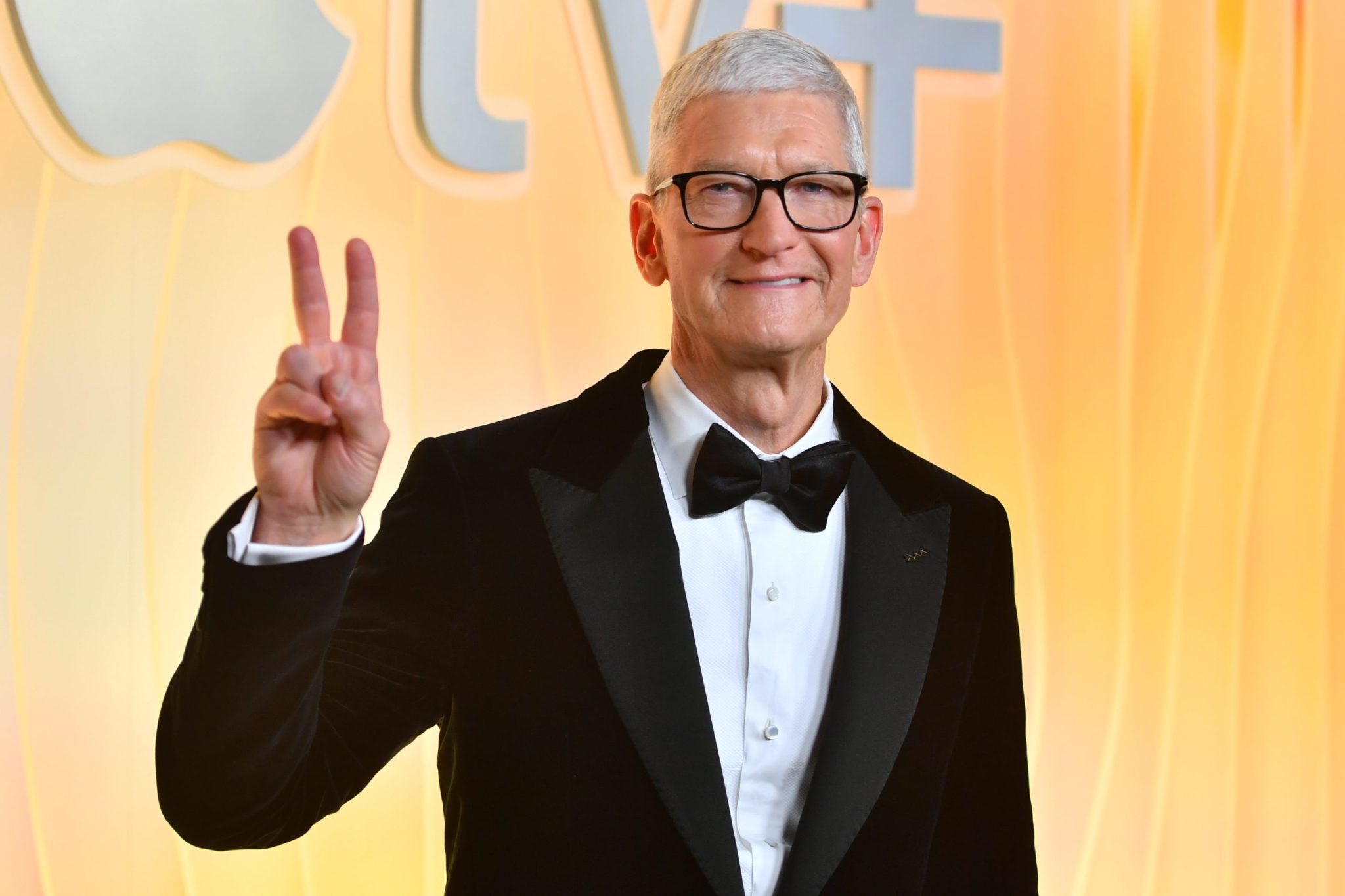
Apple Names John Ternus Next CEO as Tim Cook Steps Down
In a historic announcement that sent shockwaves through Silicon Valley, Apple has named hardware engineering chief John Ternus as its next CEO, set to take the helm of the $4 trillion tech giant in September 2026. The transition marks the end of Tim Cook's transformative 15-year tenure and ushers in a new era for the world's most valuable company. Cook revealed he will pass along the same pivotal advice Steve Jobs once gave him during Apple's last major leadership transition in 2011.
The Leadership Transition: From Cook to Ternus
John Ternus, 49, has emerged from Apple's executive ranks as Cook's handpicked successor, bringing nearly two decades of experience in hardware engineering and product development to the CEO role. Currently serving as Senior Vice President of Hardware Engineering, Ternus has been instrumental in developing Apple's most successful products over the past decade, including the iPhone 12's 5G implementation, the M1 chip transition for Mac computers, and the company's recent foray into mixed reality with the Vision Pro headset.
The announcement comes as Apple reaches unprecedented heights, with its market capitalization crossing the $4 trillion threshold earlier this year—a milestone that underscores the company's dominant position in consumer technology. Under Cook's leadership, Apple's value has grown from approximately $350 billion in 2011 to its current astronomical valuation, driven by the iPhone's continued success and expansion into services, wearables, and emerging technologies.
Ternus's appointment reflects Apple's strategic focus on hardware innovation and engineering excellence. His deep technical background contrasts with Cook's operational expertise, suggesting Apple's board believes the company's next phase of growth will be driven by breakthrough hardware developments. Industry analysts point to Ternus's track record in leading cross-functional teams and his role in Apple's silicon revolution as key factors in his selection.
The transition timeline allows for a measured handover of responsibilities, with Cook expected to remain involved in an advisory capacity through the end of 2026. This approach mirrors the gradual transition that occurred when Cook assumed the CEO role from Steve Jobs, ensuring continuity in Apple's strategic direction and corporate culture.
Steve Jobs' Enduring Leadership Philosophy
In a rare public reflection on leadership succession, Tim Cook revealed the advice he plans to share with Ternus—wisdom originally imparted by Apple co-founder Steve Jobs during the company's previous leadership transition. "Steve told me to never ask what he would do," Cook stated during the announcement. "He said to do what's right for Apple, trust your instincts, and remember that being CEO means being the chief storyteller for the company's future."
This philosophy proved transformative for Cook, who initially worried about filling Jobs' iconic shoes but ultimately forged his own distinctive leadership style. Under Cook's guidance, Apple evolved from primarily a product company to a comprehensive ecosystem provider, expanding into services like Apple Music, iCloud, and the App Store while maintaining its reputation for premium hardware design.
The advice carries particular resonance as Apple faces new competitive challenges in artificial intelligence, augmented reality, and sustainable technology. Cook emphasized that Jobs' core message was about authentic leadership rather than imitation. "Steve understood that Apple needed leaders who would bring their own vision while staying true to the company's fundamental values of innovation, quality, and user experience," Cook explained.
Ternus has already demonstrated this independent thinking in his current role, advocating for Apple's aggressive transition to custom silicon despite industry skepticism. His leadership of the M1 chip development—which delivered unprecedented performance improvements while reducing power consumption—exemplifies the kind of bold technical decisions that defined Jobs' era while addressing contemporary challenges like environmental sustainability and performance efficiency.
Ternus's Vision for Apple's Future
In his first public statements as CEO-designate, Ternus outlined an ambitious vision for Apple's next decade, emphasizing artificial intelligence integration, environmental leadership, and breakthrough user interfaces. His background in hardware engineering positions him uniquely to lead Apple through what many analysts consider the next major computing platform shift toward spatial computing and AI-powered personal devices.
"We're at an inflection point where hardware and software convergence will define the next generation of human-computer interaction," Ternus stated. "Apple's strength has always been our ability to seamlessly integrate these technologies in ways that feel magical to users, and that capability will be more important than ever as we enter the age of ambient computing."
His priorities include accelerating Apple's AI capabilities through continued development of custom silicon, expanding the Vision Pro platform into mainstream adoption, and achieving carbon neutrality across Apple's entire supply chain by 2030. These goals reflect both continuity with Cook's environmental initiatives and a forward-looking approach to emerging technologies.
Ternus also emphasized Apple's role in health technology, an area where his engineering background could drive significant innovation. "The intersection of advanced sensors, machine learning, and privacy-first design creates unprecedented opportunities to positively impact human health," he noted, hinting at potential expansions beyond the Apple Watch into new categories of health monitoring devices.
Industry observers note that Ternus's technical expertise could accelerate Apple's development of next-generation technologies like advanced display systems, haptic feedback, and energy-efficient processors. His leadership of Apple's silicon team demonstrated an ability to think beyond traditional performance metrics, incorporating factors like battery life, thermal management, and manufacturing scalability into product decisions.
Industry Context and Competitive Landscape
The leadership transition occurs as Apple faces intensifying competition across multiple fronts. Google's advances in AI integration, Microsoft's cloud computing dominance, and emerging players in augmented reality and electric vehicles challenge Apple's traditional market positions. Samsung continues to pressure Apple in smartphones and displays, while Chinese manufacturers like Xiaomi and OnePlus offer increasingly competitive alternatives at lower price points.
Regulatory scrutiny has also intensified, with governments worldwide examining Apple's App Store policies, privacy practices, and market dominance. The European Union's Digital Markets Act and similar legislation in other jurisdictions require Apple to adapt its business model while maintaining the integrated experience that drives customer loyalty.
Despite these challenges, Apple's ecosystem approach has proven remarkably resilient. The company's services revenue—including the App Store, iCloud, Apple Music, and AppleCare—reached $85 billion in 2025, providing a stable foundation that reduces dependence on hardware sales cycles. This diversification strategy, largely implemented under Cook's leadership, positions Apple to weather economic uncertainty and invest in long-term innovation projects.
The artificial intelligence revolution presents both opportunities and challenges for Apple. While competitors like Google and Microsoft have emphasized AI capabilities, Apple's focus on privacy-first implementations and on-device processing offers differentiation. Ternus's engineering background could accelerate development of AI-specific hardware components, similar to Apple's Neural Engine chips that enable machine learning features while protecting user privacy.
Environmental sustainability has become a competitive differentiator, with consumers increasingly considering ecological impact in purchasing decisions. Apple's commitment to carbon neutrality and recycled materials leadership under Cook established industry standards that competitors now struggle to match. Ternus's experience with materials engineering and manufacturing processes positions him to continue this environmental leadership while scaling production to meet global demand.
Expert Analysis and Market Implications
Wall Street analysts responded positively to Ternus's appointment, with several major investment firms raising their Apple price targets based on expectations of accelerated innovation under engineering-focused leadership. "Ternus brings deep technical credibility at a time when Apple needs to demonstrate breakthrough capabilities in AI and spatial computing," noted Wedbush Securities analyst Dan Ives. "His track record with Apple Silicon shows he can execute complex technical transitions while maintaining Apple's premium positioning."
Former Apple executives praise Ternus's collaborative leadership style and ability to manage complex cross-functional projects. "John has consistently delivered industry-leading hardware while working effectively with software teams, industrial design, and manufacturing partners," commented Tony Fadell, known as the "father of the iPod" and former Apple senior vice president. "He understands that Apple's magic comes from the intersection of multiple disciplines, not just engineering excellence."
Market research firm IDC projects that Ternus's technical background could accelerate Apple's entry into new product categories, particularly in health technology and augmented reality. "We're likely to see more ambitious hardware projects under Ternus's leadership, potentially including breakthrough health monitoring devices and next-generation AR/VR platforms," said IDC vice president Ryan Reith.
However, some analysts caution that Ternus will face the challenge of maintaining Apple's premium pricing while addressing market pressure for more affordable options. His engineering perspective may favor technical excellence over cost optimization, requiring careful balance to preserve profit margins while expanding market reach.
What's Next for Apple
The transition period between now and September will likely focus on ensuring continuity in Apple's strategic initiatives while preparing for Ternus's vision implementation. Key areas to watch include AI feature rollouts, Vision Pro adoption metrics, and progress toward environmental sustainability goals.
Investors and industry observers will closely monitor Apple's developer conference in June for early indicators of Ternus's influence on product strategy. His engineering background suggests potential announcements around advanced hardware capabilities, particularly in AI processing and sensor technologies.
The success of this leadership transition could establish a new template for tech company successions, emphasizing technical expertise alongside traditional business leadership skills. As the technology industry grapples with complex challenges requiring deep technical understanding—from AI ethics to quantum computing—Ternus's appointment may signal a broader trend toward engineering-led leadership in major tech companies.
For more tech news, visit our news section.
Implications for Personal Productivity and Health Technology
This leadership transition at Apple signals significant implications for personal productivity and health technology advancement. Ternus's engineering expertise, particularly in sensor development and AI-powered hardware, suggests accelerated innovation in health monitoring capabilities that could revolutionize how individuals track and optimize their wellbeing. As Apple continues integrating advanced health features into its ecosystem, we can expect more sophisticated tools for monitoring sleep patterns, stress levels, and cognitive performance—areas crucial for personal optimization and productivity enhancement. Join the Moccet waitlist to stay ahead of the curve.