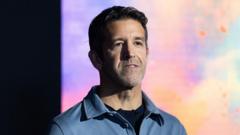
Apple Names John Ternus CEO as Tim Cook Becomes Chairman
In a historic leadership transition that marks the end of an era, Apple announced on April 20, 2026, that Senior Vice President of Hardware Engineering John Ternus will replace Tim Cook as Chief Executive Officer, while Cook steps up to become executive chairman of the technology giant.
John Ternus Takes the Helm as Apple's New CEO
The appointment of John Ternus as Apple's new CEO represents a significant shift in leadership for the world's most valuable technology company. Ternus, who has spent over two decades at Apple, brings deep technical expertise and a proven track record of managing the company's hardware engineering division through some of its most successful product launches.
As Senior Vice President of Hardware Engineering since 2013, Ternus has been instrumental in developing Apple's silicon strategy, overseeing the transition from Intel processors to Apple's custom M-series chips. His engineering background contrasts with Cook's operational expertise, suggesting Apple may be positioning itself for a more technology-focused leadership approach as it navigates emerging markets like artificial intelligence, augmented reality, and health technology.
Ternus joined Apple in 2001 and has been deeply involved in the development of virtually every major Apple product over the past two decades. His responsibilities have included oversight of the iPhone, iPad, Mac, and Apple Watch hardware teams, making him one of the most technically versed executives in the company's leadership structure. Industry analysts note that his appointment signals Apple's continued commitment to hardware innovation and engineering excellence.
The timing of this leadership transition comes at a critical juncture for Apple, as the company faces increasing competition in key markets and regulatory scrutiny worldwide. Ternus inherits a company with annual revenues exceeding $380 billion and a market capitalization that has fluctuated around $3 trillion, making the CEO position one of the most influential roles in global technology.
Tim Cook's Legacy and New Role as Executive Chairman
Tim Cook's transition to executive chairman concludes a remarkable 15-year tenure as CEO that transformed Apple from a primarily computer company into the world's most valuable corporation. Under Cook's leadership, Apple's market value grew from approximately $350 billion in 2011 to over $3 trillion at its peak, while the company expanded into new product categories including the Apple Watch, AirPods, and services ecosystem.
Cook's operational expertise proved instrumental in scaling Apple's global supply chain and manufacturing capabilities to meet unprecedented demand for iPhones and other devices. His leadership saw the launch of Apple's services business, which now generates over $85 billion annually, and the successful transition to Apple Silicon across the Mac lineup. The CEO also navigated complex geopolitical challenges, including trade tensions with China and regulatory pressures in Europe and the United States.
In his new role as executive chairman, Cook is expected to focus on high-level strategic initiatives, government relations, and board governance while allowing Ternus to manage day-to-day operations. This structure mirrors successful transitions at other major technology companies, where founding or transformational leaders maintain strategic oversight while passing operational control to successors.
Industry observers note that Cook's continued involvement provides stability during the transition period, particularly important given Apple's complex relationships with suppliers, regulators, and strategic partners worldwide. His experience navigating international markets and regulatory environments will likely prove valuable as Apple continues expanding its global presence and addressing regulatory challenges in key markets.
Strategic Implications for Apple's Future Direction
The appointment of John Ternus as CEO signals potential strategic shifts in Apple's approach to product development and market positioning. His engineering background suggests the company may accelerate investments in emerging technologies, particularly in areas where hardware innovation remains critical to competitive advantage.
Apple's artificial intelligence strategy, currently centered around the gradual integration of machine learning capabilities across its product ecosystem, may see increased emphasis under Ternus's leadership. His experience with custom silicon development positions him well to oversee the integration of AI capabilities at the hardware level, potentially giving Apple advantages in areas like on-device processing and privacy protection.
The health technology sector represents another area where Ternus's technical expertise could drive significant advancement. Apple's health initiatives, including the Apple Watch's medical capabilities and the Health app ecosystem, require deep integration between hardware sensors, software algorithms, and regulatory compliance. Ternus's hardware engineering background could accelerate development of more sophisticated health monitoring capabilities.
Augmented reality and virtual reality technologies, areas where Apple has invested heavily but not yet released major consumer products, may also see renewed focus. Industry analysts suggest that Ternus's appointment could indicate Apple's readiness to launch its long-rumored AR/VR headset and related ecosystem, leveraging his hardware development experience to create compelling new product categories.
Industry Context and Competitive Landscape
This leadership transition occurs amid intense competition in key technology markets and evolving consumer preferences. Apple faces increasing pressure from competitors in smartphones, with companies like Samsung, Google, and Chinese manufacturers gaining market share through innovation in areas like foldable displays, camera technology, and artificial intelligence features.
The global smartphone market has matured significantly since Cook became CEO in 2011, with replacement cycles lengthening and consumers becoming more price-conscious. Ternus inherits the challenge of maintaining iPhone's premium positioning while finding new growth drivers in emerging markets and product categories.
Apple's services business, while growing rapidly, faces regulatory scrutiny regarding App Store policies and market dominance. The new CEO will need to balance revenue growth from services with regulatory compliance and developer relations, particularly as governments worldwide increase oversight of major technology platforms.
The broader technology industry has also evolved significantly, with artificial intelligence, cloud computing, and sustainability becoming key competitive battlegrounds. Apple's approach to these areas under Ternus's leadership will likely influence the company's competitive position for the next decade.
Sustainability and environmental responsibility have become increasingly important to consumers and investors. Apple's commitment to carbon neutrality across its entire supply chain by 2030 will require continued innovation in manufacturing processes, materials science, and product design – areas where Ternus's engineering expertise will prove valuable.
Market Reaction and Analyst Perspectives
Initial market reactions to the leadership announcement have been measured, reflecting both confidence in Apple's succession planning and uncertainty about potential strategic changes under new leadership. Technology analysts note that Ternus's deep company knowledge and technical expertise provide continuity while potentially enabling more aggressive innovation strategies.
Investment analysts emphasize the importance of maintaining Apple's product development cadence and ecosystem integration while exploring new growth opportunities. The company's ability to continue generating substantial cash flows from existing products while investing in future technologies will be closely watched under Ternus's leadership.
Industry experts highlight the significance of this transition for the broader technology sector, noting that Apple's strategic decisions often influence industry trends and competitive dynamics. Ternus's approach to emerging technologies like artificial intelligence, augmented reality, and health technology could shape development priorities across the industry.
The announcement comes at a time when technology leadership transitions have become increasingly common, with companies seeking leaders who can navigate rapidly evolving markets and technologies. Apple's choice of an internal candidate with deep technical expertise reflects confidence in its succession planning and commitment to engineering-driven innovation.
What's Next: Key Areas to Watch
Several key areas will likely define Ternus's early tenure as Apple CEO. Product development cycles, particularly for the iPhone and potential new product categories, will be closely monitored for signs of strategic shifts or acceleration in innovation timelines.
Apple's approach to artificial intelligence integration across its product ecosystem will be particularly significant, as competitors like Google and Microsoft advance their AI capabilities. The company's strategy for balancing on-device AI processing with cloud-based services will have important implications for privacy, performance, and competitive positioning.
International expansion and regulatory relationships will require careful management as Apple continues growing in emerging markets while addressing regulatory concerns in established markets. Ternus's approach to these challenges will influence Apple's global growth trajectory and operational flexibility.
The development and potential launch of Apple's AR/VR platform represents a major opportunity to establish leadership in an emerging product category. Industry observers will watch closely for signs of accelerated development or strategic partnerships that could enhance Apple's position in spatial computing.
For more tech news, visit our news section.
Implications for Personal Technology and Productivity
Apple's leadership transition under John Ternus could significantly impact how personal technology evolves to support health and productivity goals. His engineering expertise may accelerate development of more sophisticated health monitoring capabilities, AI-powered productivity features, and seamless device integration that enhances daily workflows. As Apple continues shaping the intersection of technology, health, and productivity, staying informed about these developments becomes crucial for optimizing personal and professional performance. Join the Moccet waitlist to stay ahead of the curve.