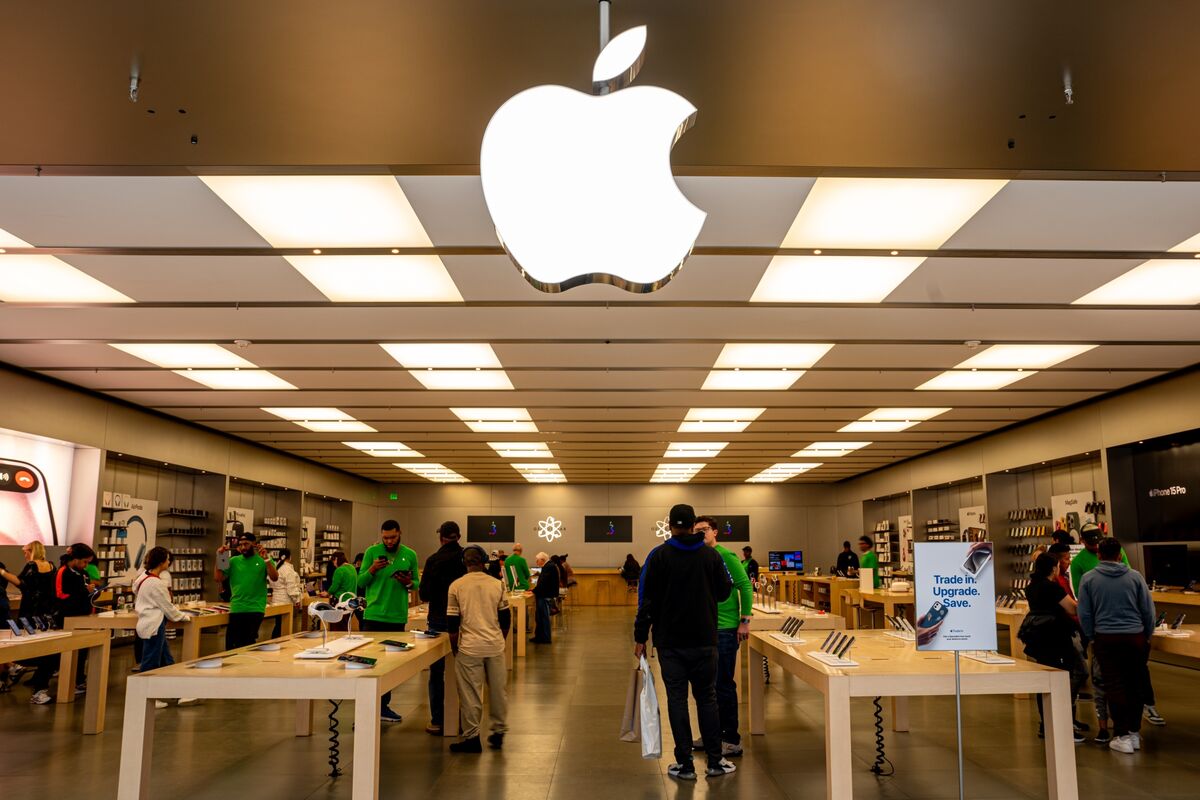
Apple Closes First Unionized Store: Labor Relations Crisis
Apple Inc. announced this week that it will permanently close its retail store in Towson, Maryland, marking the end of a chapter that began with the location becoming the tech giant's first successfully unionized retail store in the United States. The closure, effective immediately, comes just four years after employees at the Towson Town Center location voted to unionize with the International Association of Machinists and Aerospace Workers (IAM) in June 2022.
The decision affects approximately 110 employees and has reignited debates about labor relations in the tech industry, where unionization efforts remain relatively rare despite growing worker advocacy movements across major technology companies.
The Historic Unionization Victory That Started It All
The Towson Apple Store made headlines in 2022 when it became the first Apple retail location in the United States to successfully organize. The vote, which passed with 65 workers in favor and 33 against, represented a significant milestone for labor organizing in the tech sector. The union, operating under the name Apple Coalition of Organized Retail Employees (Apple CORE), focused on securing better working conditions, improved scheduling flexibility, and enhanced compensation packages.
The unionization effort gained momentum during the COVID-19 pandemic when retail workers across industries began demanding better protections and working conditions. Apple retail employees cited concerns about understaffing, irregular schedules, and what they perceived as inadequate compensation relative to Apple's record profits. The Towson victory inspired similar organizing efforts at other Apple retail locations, though none have successfully achieved union recognition to date.
Following the successful vote, negotiations between Apple management and the union proved challenging. Workers reported frustration with what they characterized as slow progress on key issues, including wage increases and scheduling improvements. The union filed several unfair labor practice charges with the National Labor Relations Board, alleging that Apple was not bargaining in good faith and was implementing policies that undermined union activities.
Industry observers noted that the Towson unionization represented part of a broader trend of retail workers seeking collective representation, with successful organizing campaigns at companies like Starbucks and Amazon warehouses creating momentum for similar efforts across the retail landscape.
Apple's Official Response and Store Closure Details
In a statement provided to employees and media outlets, Apple cited "changing retail dynamics and strategic realignment" as the primary reasons for the Towson store closure. The company emphasized that all affected employees would be offered positions at nearby Apple retail locations, including stores in Columbia, Maryland, and Washington, D.C., with relocation assistance provided for those who accept transfers.
Apple's retail operations have undergone significant changes since 2020, with the company investing heavily in online sales channels and reimagining the role of physical retail spaces. The tech giant has been consolidating some locations while expanding others, particularly focusing on flagship stores in major metropolitan areas. However, the timing of the Towson closure has raised questions among labor advocates and industry analysts about whether the unionization played a role in the decision.
The company maintains that the closure is purely a business decision based on lease negotiations and changing customer traffic patterns in the Towson Town Center area. Apple executives pointed to declining foot traffic at traditional mall locations as a factor in the decision, noting that consumer shopping habits have shifted significantly since the pandemic toward online purchases and visits to standalone flagship locations.
Union representatives have expressed skepticism about Apple's stated reasons for the closure, with IAM officials suggesting that the timing appears retaliatory given the ongoing labor negotiations. The union has indicated it may file additional complaints with federal labor regulators, arguing that closing the first unionized location sends a chilling message to other Apple retail workers considering organization efforts.
Broader Implications for Tech Industry Labor Relations
The closure of Apple's first unionized retail store occurs against a backdrop of increased labor activism across the technology sector. Major tech companies have faced growing pressure from employees seeking collective representation, with workers at companies like Google, Amazon, and Meta organizing around issues ranging from workplace conditions to corporate ethics and decision-making transparency.
Labor relations experts note that the retail segment of tech companies presents unique challenges for unionization efforts. Unlike software engineers and other technical roles that command high salaries and significant leverage, retail workers often face more traditional service industry challenges including variable schedules, customer-facing stress, and lower wages relative to corporate employees.
The Apple retail unionization effort was closely watched by labor organizers and corporate executives alike, as it represented a test case for whether successful union organizing could gain traction in tech retail environments. The outcome of this closure may influence how other tech companies approach similar situations and whether workers at other locations pursue unionization efforts.
Recent data from the Bureau of Labor Statistics shows that union membership in the tech sector remains below 5%, significantly lower than the national average of approximately 11%. However, younger workers in particular have shown increased interest in collective action, with surveys indicating that workers under 35 are more likely to view unions favorably than previous generations.
Expert Analysis: What This Means for the Future of Tech Labor
"The closure of the Towson store sends a complex signal to the labor movement in tech," says Dr. Sarah Martinez, a labor relations professor at Georgetown University. "While Apple maintains this is a business decision, the optics are challenging given the store's unique status as the company's only unionized retail location."
Employment law experts suggest that the closure could face scrutiny from the National Labor Relations Board if union representatives can demonstrate that anti-union sentiment played a role in the decision. However, proving such cases can be difficult when companies can point to legitimate business reasons for closures.
Industry analysts note that Apple's retail strategy has been evolving, with the company placing greater emphasis on experiential flagship stores rather than traditional mall-based locations. "Apple has been moving away from smaller mall stores for several years," explains retail consultant David Chen. "The question is whether this particular closure accelerates that timeline due to labor considerations."
The situation highlights broader tensions in the retail industry, where companies are balancing cost pressures with employee demands for better working conditions and representation. Labor advocates argue that successful tech companies have the resources to address worker concerns without resorting to store closures, while business leaders contend that retail operations must remain flexible in response to changing market conditions.
What's Next: Monitoring Labor Relations in Tech Retail
The aftermath of the Towson store closure will likely be closely watched by multiple stakeholders. Union organizers are expected to use the situation as a rallying point for other Apple retail locations, while the company's response to relocated employees may influence future organizing efforts.
Other tech companies with significant retail operations, including Microsoft and Google, may adjust their own labor relations strategies based on lessons learned from the Apple situation. The incident also highlights the need for clearer federal guidance on how store closures following unionization should be evaluated for potential labor law violations.
Looking ahead, the broader trend toward retail worker organizing is likely to continue regardless of this specific outcome. Economic conditions, changing worker expectations, and generational shifts in attitudes toward unions suggest that tech companies will continue to face pressure for improved working conditions and employee representation in their retail operations.
For more tech news, visit our news section.
The evolving landscape of tech labor relations has significant implications for workplace productivity and employee wellbeing across the industry. As companies navigate these challenges, workers and managers alike need tools to maintain focus, reduce stress, and optimize their professional performance in an increasingly complex environment. Understanding these industry dynamics can help individuals make informed career decisions and develop resilience strategies for changing workplace conditions. Join the Moccet waitlist to stay ahead of the curve.