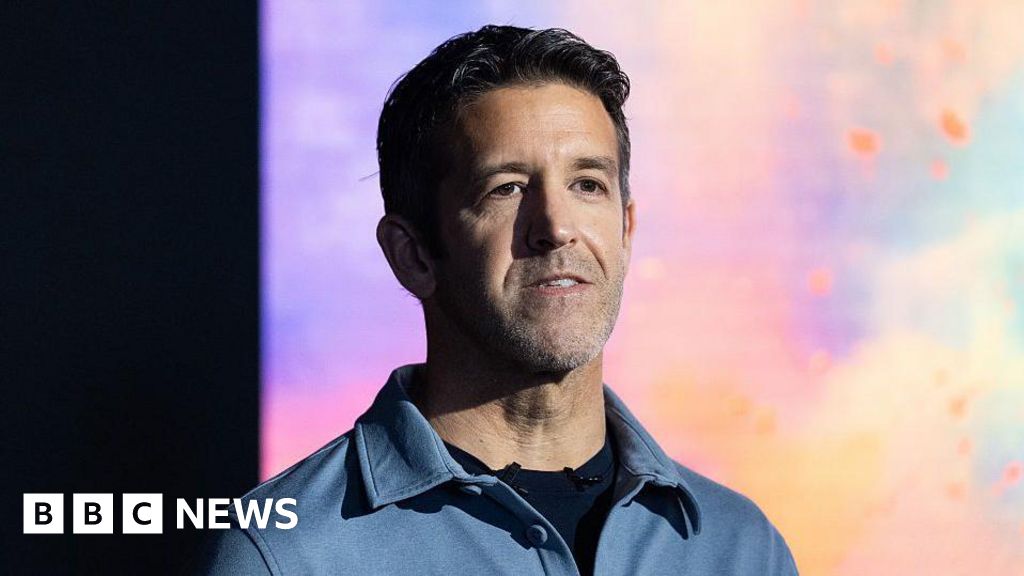
Apple CEO Tim Cook Steps Down, John Ternus Named New Chief
In a historic leadership transition, Apple announced today that John Ternus will take over as the company's new Chief Executive Officer, replacing Tim Cook who will step up to serve as executive chairman. The change, effective immediately, marks the end of Cook's remarkable 15-year tenure as CEO and ushers in a new era for the world's most valuable technology company.
John Ternus Takes the Helm as Apple's New CEO
John Ternus, who previously served as Apple's Senior Vice President of Hardware Engineering, brings over two decades of experience at the Cupertino-based tech giant to his new role. Since joining Apple in 2001, Ternus has been instrumental in developing some of the company's most successful products, including the iPhone, iPad, and Mac lineups.
Under Ternus's leadership in hardware engineering, Apple has achieved remarkable breakthroughs in chip design, particularly with the development of the M-series processors that revolutionized the Mac platform. His deep technical expertise and understanding of Apple's product philosophy make him a natural successor to lead the company into its next chapter.
"John embodies the innovation and excellence that define Apple," Cook said in a statement released this morning. "His vision for the future of technology and his proven track record of delivering groundbreaking products make him the ideal leader to guide Apple forward."
The transition represents a carefully orchestrated succession plan that Apple's board has been developing for several years. Ternus's promotion follows a pattern of internal leadership development that has characterized Apple's management philosophy since Steve Jobs's era.
Tim Cook's Legacy as Executive Chairman
Tim Cook's transition to executive chairman concludes one of the most successful CEO tenures in corporate history. When Cook assumed the role in August 2011, Apple was valued at approximately $350 billion. Under his leadership, the company became the first to reach a $1 trillion valuation in 2018, and by April 2026, Apple's market capitalization has exceeded $4 trillion.
Cook's strategic vision expanded Apple's ecosystem far beyond its traditional hardware roots. During his tenure, the company launched Apple Watch, AirPods, and numerous services including Apple TV+, Apple Fitness+, and Apple Card. The services division alone now generates over $100 billion in annual revenue, representing nearly 30% of Apple's total revenue.
Perhaps most significantly, Cook navigated Apple through several major technological transitions, including the shift to Face ID, the development of Apple Silicon chips, and the company's ambitious push into augmented reality with the Vision Pro platform. His operational expertise, honed during his years as Chief Operating Officer, helped Apple build one of the world's most efficient and profitable supply chains.
In his new role as executive chairman, Cook will focus on major strategic initiatives, government relations, and Apple's expanding presence in emerging markets. Industry analysts expect him to play a crucial role in Apple's rumored automotive project and the company's continued investment in health technology and sustainability initiatives.
Strategic Implications for Apple's Future Direction
Ternus's appointment signals Apple's commitment to maintaining its hardware-first approach while accelerating innovation in emerging technologies. His background in engineering suggests the company will continue prioritizing technical excellence and breakthrough product development over short-term financial metrics.
Sources familiar with Ternus's vision indicate he plans to accelerate Apple's investments in artificial intelligence, particularly in developing more sophisticated on-device processing capabilities. This aligns with Apple's privacy-focused approach and could differentiate the company from competitors who rely heavily on cloud-based AI services.
The leadership change comes at a critical time for Apple as the company faces increasing competition in key markets. Samsung and Google have made significant strides in mobile technology, while companies like Meta and Microsoft are pushing aggressively into mixed reality and productivity solutions.
Wall Street responded positively to the news, with Apple shares rising 3.2% in pre-market trading. Analysts from Goldman Sachs noted that the smooth transition demonstrates Apple's strong institutional culture and succession planning capabilities.
Industry Context and Competitive Landscape
The CEO transition occurs during a period of significant technological disruption across the tech industry. Artificial intelligence has emerged as the dominant competitive battleground, with companies investing billions in developing more capable AI systems and integrating them into consumer products.
Apple's approach to AI has historically differed from competitors like Google and Microsoft, focusing on privacy-preserving, on-device processing rather than cloud-based solutions. Ternus's engineering background suggests this philosophy will continue, potentially giving Apple a unique competitive advantage as consumers become increasingly concerned about data privacy.
The timing also coincides with growing regulatory scrutiny of big tech companies worldwide. The European Union's Digital Markets Act and similar legislation in other jurisdictions have created new compliance requirements and potential restrictions on how tech giants operate. Cook's continued involvement as executive chairman provides continuity in managing these complex regulatory relationships.
Meanwhile, Apple faces pressure to innovate in new product categories. While the Vision Pro represents a significant technological achievement, it has yet to achieve mass market adoption. The company's rumored electric vehicle project, often called "Project Titan," remains under development after years of investment and strategic shifts.
Emerging markets present both opportunities and challenges for Apple under Ternus's leadership. While the company has made progress in India and other developing economies, Android continues to dominate these price-sensitive markets. Finding ways to expand Apple's reach while maintaining premium positioning will be a key strategic challenge.
Expert Analysis and Market Reactions
Technology industry veterans have praised the selection of Ternus as Cook's successor. "John represents the best of Apple's engineering culture," said former Apple executive Tony Fadell, often called the "father of the iPod." "His deep understanding of both hardware and software integration will be crucial as Apple enters new product categories."
Wall Street analysts remain optimistic about Apple's prospects under new leadership. Morgan Stanley's technology research team noted that Ternus's track record of successful product launches suggests continuity in Apple's innovation pipeline. "The transition appears seamless and well-planned, which is exactly what investors want to see from a company of Apple's scale and complexity," said senior analyst Sarah Chen.
However, some industry observers caution that Ternus will face unique challenges that Cook never encountered. The smartphone market has largely matured, and finding the next major product category that can drive Apple's growth will require both technical innovation and market intuition.
What to Watch: Apple's Path Forward
As Ternus settles into his new role, several key areas will indicate Apple's strategic direction under his leadership. The company's AI strategy will be closely watched, particularly how it integrates advanced machine learning capabilities while maintaining its privacy commitments.
Product launches scheduled for later in 2026 will provide early indicators of Ternus's influence on Apple's innovation pipeline. Industry insiders expect significant updates to the Vision Pro platform and potentially the first consumer glimpse of Apple's automotive ambitions.
The new CEO's approach to talent acquisition and retention will also be crucial. Apple has historically relied on internal development, but the competitive landscape for AI and engineering talent may require new strategies to attract top performers from across the industry.
For more tech news, visit our news section.
Optimizing Your Digital Life in the New Apple Era
As Apple enters this new chapter under John Ternus's leadership, the company's continued focus on health technology and personal optimization aligns perfectly with modern professionals' needs for better productivity and wellness tools. The integration of advanced AI capabilities into Apple's ecosystem promises to make our devices more intuitive and helpful in managing our daily routines, health metrics, and work-life balance. Stay informed about these technological developments and their impact on personal productivity by staying connected with the latest innovations. Join the Moccet waitlist to stay ahead of the curve.