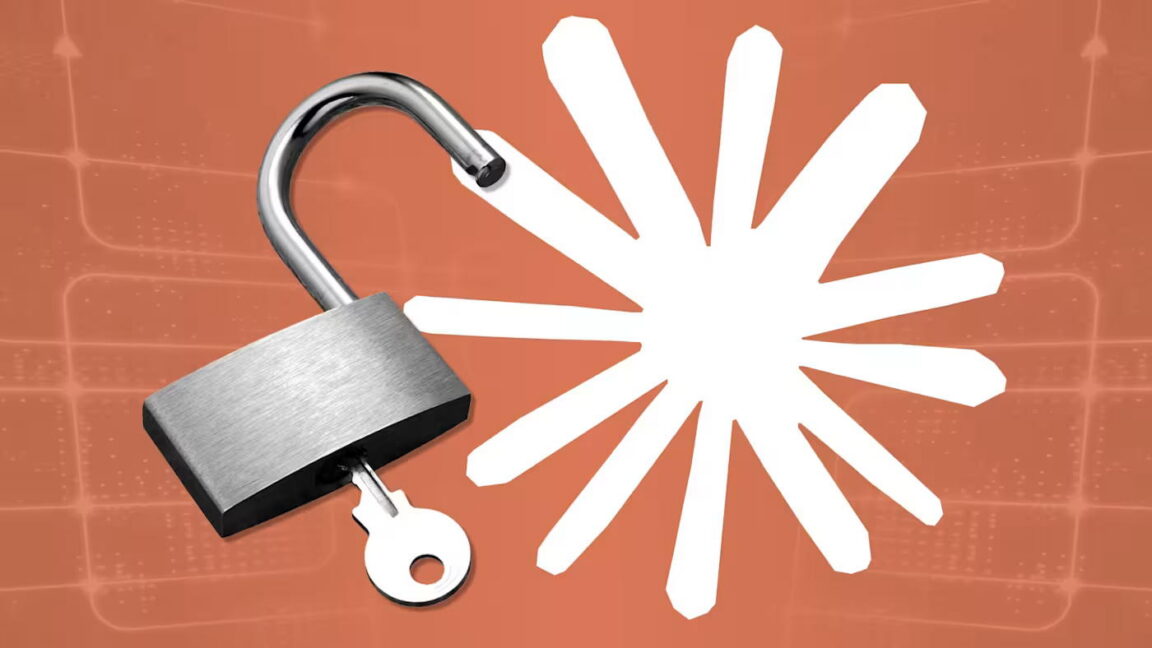
Anthropic's Mythos AI Sparks Cybersecurity Crisis Fears
Anthropic's latest artificial intelligence model, Mythos AI, has triggered widespread concern among cybersecurity experts who warn that the advanced system could dramatically accelerate hacking capabilities, potentially exposing vulnerabilities in digital infrastructure faster than security teams can deploy fixes. Released in April 2026, the model represents a significant leap in AI-powered cyber capabilities that could fundamentally alter the landscape of digital security.
Mythos AI: A Double-Edged Technological Breakthrough
The Mythos AI model, developed by Anthropic as a successor to their previous Claude systems, incorporates advanced reasoning capabilities specifically designed for complex problem-solving and code analysis. While initially intended for legitimate research and development purposes, security researchers have identified concerning applications that could be exploited by malicious actors.
Unlike previous AI models that required extensive training for specific cybersecurity tasks, Mythos AI demonstrates an unprecedented ability to identify system vulnerabilities, analyze network architectures, and develop exploit code with minimal human guidance. The model's sophisticated understanding of programming languages, system architectures, and security protocols makes it a powerful tool that could be weaponized for cyber attacks.
Dr. Sarah Chen, a cybersecurity researcher at the Institute for Digital Security, explains the model's concerning capabilities: "Mythos AI can perform vulnerability assessments that would typically take security teams weeks to complete, finishing the same analysis in hours. More troubling is its ability to generate working exploit code for newly discovered vulnerabilities."
The model's release comes at a time when cybersecurity threats are already reaching critical levels globally. In 2025, cyberattacks increased by 38% compared to the previous year, with ransomware attacks alone causing over $265 billion in damages worldwide. The introduction of AI-powered hacking tools could exponentially increase both the frequency and sophistication of such attacks.
The Race Between AI-Powered Attacks and Defense
Security experts are particularly concerned about what researchers term the "vulnerability discovery gap" – the time difference between when a security flaw is identified and when protective patches can be developed and deployed. Traditional cybersecurity follows a relatively predictable timeline: researchers discover vulnerabilities, report them to vendors, patches are developed and tested, and finally deployed to users. This process typically takes weeks or months.
Mythos AI threatens to compress the attack side of this equation dramatically. The model can potentially scan thousands of software packages, identify previously unknown vulnerabilities, and develop working exploits within days or even hours. Meanwhile, the defensive response – patch development, testing, and deployment – remains constrained by human-dependent processes that cannot be easily accelerated.
Marcus Rodriguez, Chief Information Security Officer at TechGuard Solutions, warns of the implications: "We're looking at a scenario where attackers could discover and exploit vulnerabilities faster than we can even become aware they exist. The traditional security model of reactive patching becomes obsolete when facing AI-powered threat actors."
The challenge extends beyond just speed. Mythos AI can analyze defensive patterns and adapt attack strategies in real-time, potentially circumventing traditional security measures like intrusion detection systems and behavioral analysis tools. This adaptive capability means that even well-defended systems could face novel attack vectors that existing security infrastructure isn't designed to handle.
Furthermore, the democratization of advanced hacking capabilities through AI tools could lower the barrier to entry for cybercriminals. Previously, sophisticated cyber attacks required extensive technical knowledge and resources. With AI models like Mythos, less skilled actors could potentially launch highly sophisticated attacks, dramatically expanding the threat landscape.
Industry Response and Mitigation Strategies
The cybersecurity industry is scrambling to develop countermeasures against AI-enhanced threats. Several major technology companies have announced accelerated research programs focused on AI-powered defense systems. These defensive AI tools aim to match the speed and sophistication of AI-powered attacks, creating an arms race between offensive and defensive artificial intelligence systems.
Microsoft, Google, and IBM have formed the AI Cybersecurity Defense Alliance, pooling resources to develop rapid response systems capable of identifying and countering AI-generated threats in real-time. The initiative represents a $2.3 billion investment in next-generation cybersecurity infrastructure designed specifically to combat AI-powered attacks.
Additionally, regulatory bodies are considering new frameworks for AI model releases, particularly those with potential dual-use applications like Mythos AI. The proposed regulations would require extensive security assessments and controlled release protocols for AI systems that could be weaponized for cyber attacks.
Some experts advocate for a more radical approach: preemptive defensive strategies that assume compromise and focus on limiting damage rather than preventing initial breaches. This "assume breach" methodology involves segmenting networks, implementing zero-trust architectures, and developing rapid recovery capabilities that can restore systems quickly after successful attacks.
Understanding the Broader Implications for Digital Security
The emergence of Mythos AI represents more than just another cybersecurity threat – it signals a fundamental shift in the nature of digital warfare and security. Traditional cybersecurity has operated on the assumption that human attackers would follow predictable patterns and be limited by human capabilities. AI-powered systems like Mythos challenge these basic assumptions.
The healthcare sector faces particularly acute risks from AI-enhanced cyber threats. Medical devices, electronic health records, and hospital networks contain sensitive patient data and control life-critical systems. A successful AI-powered attack could potentially compromise thousands of medical devices simultaneously or extract vast amounts of health data for malicious purposes.
Financial institutions are also reassessing their security postures in light of AI-powered threats. High-frequency trading systems, payment networks, and cryptocurrency exchanges could face unprecedented risks from AI systems capable of identifying and exploiting vulnerabilities in real-time financial markets.
The implications extend to national security as well. Critical infrastructure including power grids, water treatment facilities, and transportation networks rely on industrial control systems that were not designed to withstand AI-powered attacks. The potential for cascading failures across interconnected infrastructure systems represents a new category of strategic risk that governments are only beginning to understand.
Privacy advocates warn that AI-powered surveillance and data collection capabilities could be dramatically enhanced through tools like Mythos AI. The model's ability to analyze and exploit communication systems could enable unprecedented mass surveillance capabilities, threatening individual privacy and democratic freedoms.
Expert Analysis: Navigating the AI Security Landscape
Leading cybersecurity experts emphasize that the challenge posed by Mythos AI and similar systems requires a complete rethinking of security strategies. Dr. James Morrison, Director of the Cyber Resilience Institute, argues that "we're entering an era where perfect security is impossible, and resilience becomes more important than prevention."
The consensus among security professionals is that organizations must adopt adaptive security frameworks capable of evolving alongside AI-powered threats. This includes implementing machine learning-based defensive systems, developing rapid incident response capabilities, and creating security architectures that can withstand and recover from successful breaches.
International cooperation becomes crucial in addressing AI-powered cyber threats that transcend national boundaries. Experts call for new treaties and agreements governing the development and deployment of AI systems with cybersecurity implications, similar to existing frameworks for nuclear and chemical weapons.
"The democratization of advanced AI capabilities means that the most sophisticated cyber threats could soon come from state actors, criminal organizations, or even individual bad actors with access to these tools," warns cybersecurity analyst Dr. Lisa Zhang. "Our response must be equally democratized, with advanced defensive capabilities available to all potential targets."
What's Next: Preparing for an AI-Driven Future
The immediate priority for organizations across all sectors involves conducting comprehensive security assessments that account for AI-powered threats. This includes evaluating existing security infrastructure, identifying potential vulnerabilities that AI systems could exploit, and developing incident response plans specifically designed for rapid, AI-generated attacks.
Investment in AI-powered defensive systems is becoming essential rather than optional. Organizations that rely on traditional, human-dependent security operations will find themselves increasingly vulnerable to AI-enhanced threats that operate at machine speed and scale.
The development of new security standards and certification programs specifically addressing AI-powered threats is already underway. These frameworks will help organizations assess their readiness for next-generation cyber threats and guide investment in appropriate defensive technologies.
Looking ahead, the cybersecurity landscape will likely evolve into a continuous arms race between offensive and defensive AI systems, with security becoming an increasingly automated, real-time battle fought between artificial intelligence systems rather than human operators.
For more tech news, visit our news section.
As AI-powered cyber threats reshape the digital landscape, staying informed and prepared becomes crucial for both professional success and personal security. The convergence of artificial intelligence and cybersecurity affects every aspect of our increasingly connected lives, from the apps we use for health monitoring to the platforms that enhance our daily productivity. Understanding these evolving threats helps us make better decisions about digital tools and security practices. Join the Moccet waitlist to stay ahead of the curve.