AI Data Center Violence: Indianapolis Official Targeted
An Indianapolis city councilmember who supported a local data center project became the target of apparent political violence on April 7, 2026, when 13 bullets were fired at his home and a note reading 'No Data Centers' was left at the scene. The incident marks a dangerous escalation in the growing opposition to AI infrastructure development across American communities, transforming what has traditionally been resolved through municipal processes into a matter involving potential domestic terrorism.
The Indianapolis Attack: A Dangerous Precedent
The shooting incident occurred in the early morning hours at the councilmember's residence, with investigators finding multiple bullet holes in the home's exterior and the handwritten anti-data center message. While no injuries were reported, the attack represents the first known instance of gun violence directly targeting an elected official over AI infrastructure support.
Local law enforcement has classified the incident as an act of political intimidation and has launched a comprehensive investigation. The FBI has been called in to assist, given the potential federal implications of targeting an elected official. Security has been increased for other council members who voted in favor of the data center project.
The targeted councilmember had been a vocal advocate for the proposed data center, citing economic benefits including job creation and increased tax revenue for the city. The facility was designed to support AI computation workloads for multiple tech companies and was expected to bring significant investment to the area.
This attack comes amid heightened tensions over data center development nationwide, as communities increasingly push back against the massive infrastructure requirements of AI systems. The scale and coordination of the attack—13 precisely placed bullets rather than random vandalism—suggests a level of planning that has alarmed both local officials and industry observers.
Rising Opposition to AI Data Center Infrastructure
The Indianapolis incident reflects a broader pattern of resistance to data center development that has emerged across the United States as AI infrastructure demands have exploded. Communities from Virginia to Oregon have witnessed increasingly organized opposition movements citing concerns about environmental impact, power grid strain, and quality of life issues.
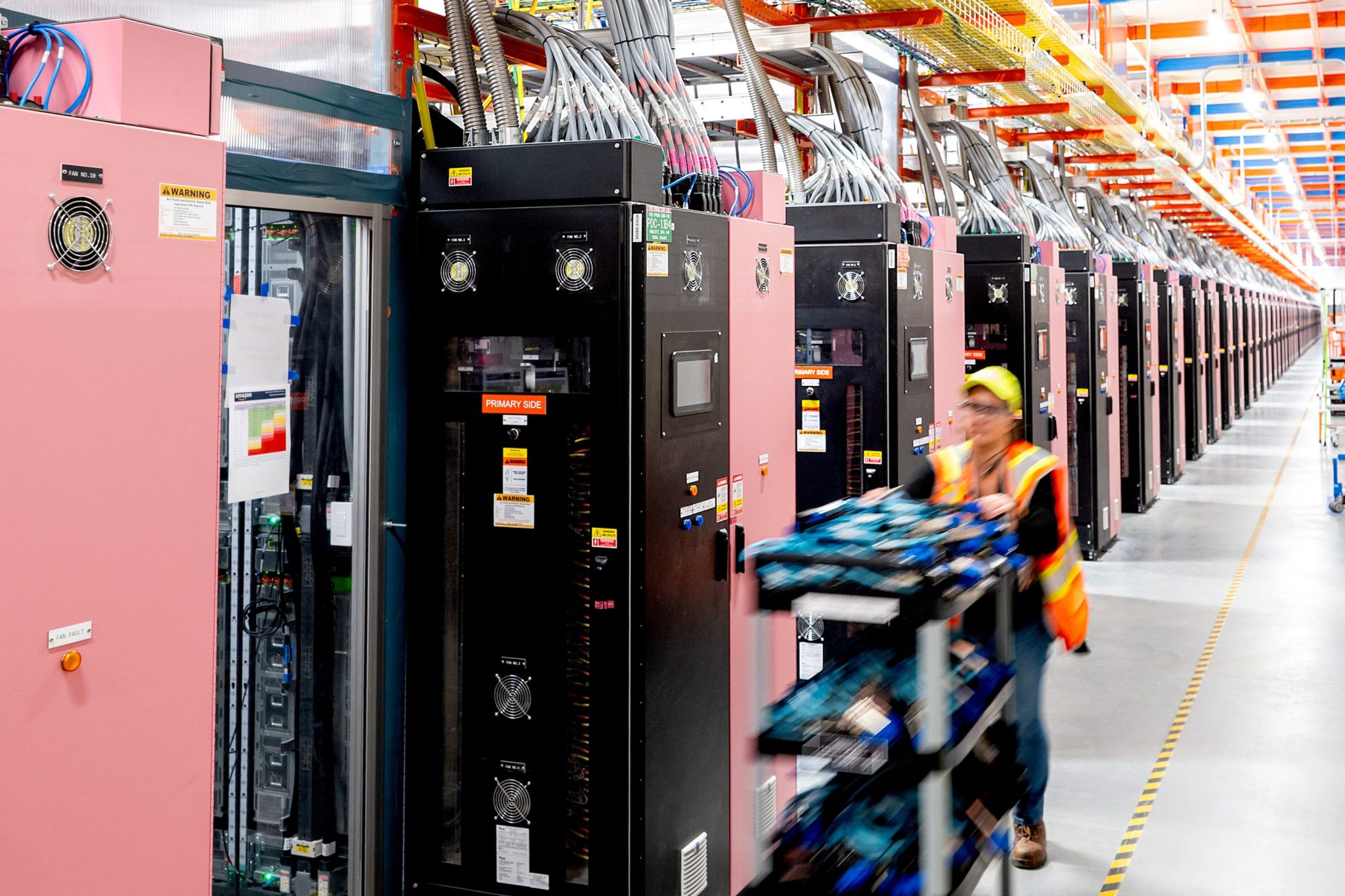
Data centers supporting AI workloads consume massive amounts of electricity—often equivalent to powering tens of thousands of homes—and require significant water resources for cooling systems. In Indianapolis, the proposed facility was projected to draw 150 megawatts of power, enough to supply approximately 112,500 households. Critics argued this would strain the local power grid and potentially increase utility costs for residents.
Beyond resource consumption, opponents have raised concerns about noise pollution from cooling systems, increased truck traffic, and the industrialization of previously residential or mixed-use areas. The Indianapolis project faced particular opposition due to its proximity to a elementary school and several residential neighborhoods.
However, the transition from civic opposition to violent intimidation represents a concerning evolution. Previous protests had remained within legal bounds, featuring petitions, town halls, and organized demonstrations. The targeting of an elected official's home with gunfire crosses a line that has alarmed both supporters and opponents of data center development.
Industry Impact and Security Concerns
The attack has sent shockwaves through the data center industry, which has been rapidly expanding to meet the computational demands of artificial intelligence development. Major tech companies have invested billions in data center infrastructure, with the global market projected to reach $517 billion by 2030.
Industry leaders are now grappling with the reality that their infrastructure projects may face not just regulatory and community opposition, but potential violence. Several data center developers have reportedly increased security measures at existing facilities and are reassessing community engagement strategies for future projects.
The incident has also highlighted the political risks faced by elected officials who support tech infrastructure projects. Municipal leaders across the country are reconsidering their positions on data center approvals, with some expressing concern about personal safety implications for themselves and their families.
Economic development officials warn that violent opposition could drive data center investment away from communities that actually need the economic benefits. The Indianapolis project alone was expected to create 150 permanent jobs and generate millions in annual tax revenue, funds that could support local schools and public services.
The Broader Context: AI Infrastructure and Community Tensions
The violent escalation in Indianapolis cannot be understood in isolation from the broader tensions surrounding AI development and its infrastructure requirements. As artificial intelligence capabilities have advanced rapidly, the physical infrastructure needed to support these systems has grown exponentially, often outpacing community preparation and regulatory frameworks.
Unlike traditional manufacturing facilities, data centers operate 24/7 with minimal visible activity, creating what some residents describe as 'industrial dead zones' that provide economic benefits but little community engagement. This disconnect between local impact and distant benefits has fueled resentment in many communities.
The concentration of data centers in certain regions has also created competition between municipalities, with some offering significant tax incentives to attract projects while others actively resist development. This patchwork approach has led to uneven distribution of both benefits and burdens, contributing to political tensions.
Environmental concerns have become particularly acute as climate change awareness has grown. Data centers account for approximately 1% of global electricity consumption, a figure that could rise significantly as AI adoption accelerates. Communities are increasingly questioning whether the benefits of hosting these facilities outweigh the environmental costs.
The timing of the Indianapolis attack is particularly significant, coming as Congress debates federal regulations for AI infrastructure development. Some lawmakers have proposed standardized environmental and community impact requirements, while others advocate for streamlined approval processes to maintain American competitiveness in AI development.
Expert Analysis and Industry Response
Technology policy experts have expressed alarm at the escalation to violence, warning that such incidents could set a dangerous precedent for opposing infrastructure development. "When civic disagreement turns to intimidation and violence, everyone loses," said Dr. Maria Rodriguez, director of the Tech Policy Institute at Georgetown University. "This kind of targeting threatens the basic functioning of democratic institutions."
Industry analysts note that the incident could have far-reaching implications for data center site selection and community relations strategies. Companies may increasingly favor locations with stronger security infrastructure or more favorable political climates, potentially limiting economic development opportunities for communities that might benefit from such projects.
Law enforcement experts have highlighted the incident as part of a broader trend of political violence targeting local officials. The targeting of municipal leaders over infrastructure decisions represents a concerning expansion of political intimidation beyond traditional federal and state political figures.
Community organizers who oppose data center development have universally condemned the violence while maintaining their substantive concerns about these projects. Local opposition groups have emphasized their commitment to legal forms of advocacy and have distanced themselves from any violent tactics.
What's Next: Security and Policy Implications
The Indianapolis incident is likely to prompt significant changes in how data center projects are approved and how officials involved in these decisions are protected. Many municipalities are expected to review security protocols for elected officials and may require enhanced threat assessments for controversial infrastructure projects.
The investigation's outcome will be closely watched by law enforcement agencies nationwide, as it could provide insights into whether this was an isolated incident or part of a broader pattern of escalating opposition. Federal authorities are reportedly examining whether similar threats have been made against officials in other jurisdictions considering data center projects.
Industry observers expect the incident to influence federal policy discussions about AI infrastructure development. Lawmakers may need to balance community concerns with national competitiveness considerations while ensuring that democratic decision-making processes are protected from intimidation.
The long-term implications for AI development remain uncertain, but the incident underscores the need for more effective community engagement strategies and potentially federal guidelines for data center development that address local concerns while supporting technological advancement.
For more tech news, visit our news section.
Staying Informed in an Era of Tech Disruption
As technology infrastructure continues to reshape our communities and political landscape, staying informed about these developments becomes crucial for personal and professional decision-making. The intersection of AI development, local politics, and community concerns affects everything from property values to career opportunities in tech-adjacent fields. Understanding these trends can help individuals make better decisions about where to live, work, and invest their time and resources. Join the Moccet waitlist to stay ahead of the curve.